Som tu už tisíce rokov
I Have Been Here for Thousands Years
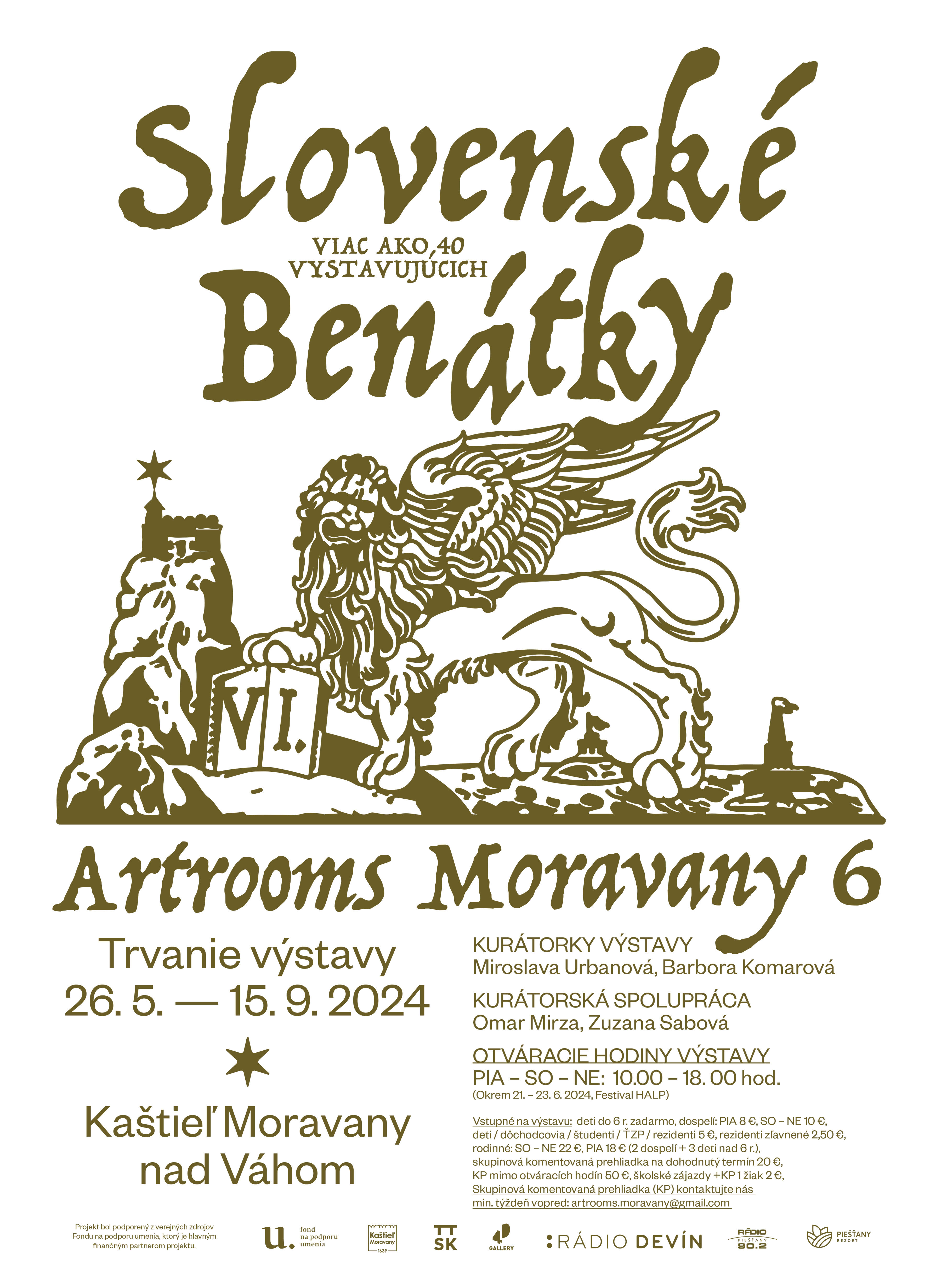
2024, Artrooms Moravany 6, Slovenské Benátky. Umenie mystifikácie,
variabilné rozmery, sochárska hlina, dve audiostopy
2024, Artrooms Moravany 6, Slovak Venice. The Art of Mystification,
variable dimensions, sculptural clay, two audio tracks
Zuzana Branišová, Roman Gajdoš, Erik Michalčík
V projekte s názvom Som tu už tisíce rokov sa prostredníctvom kumulovania objektov referujúcich k ženskému torzu a zvukových stôp tematizujú základné mechanizmy, ktoré môžu viesť k tzv. mystifikácii.
Podľa výkladového slovníka možno pojem mystifikácia chápať ako zámerné klamanie, oklamanie nepravdivou správou alebo ako zahmlievanie skutočnosti.
Inštalácia však s týmto pojmom nepracuje v rovine vedomého zavádzania, ale v jemnejšej polohe neúmyselnej deformácie, interpretačného posunu a obrazotvornosti, ktorá sa aktivuje pri počúvaní príbehov.
Nosnou myšlienkou projektu je skreslenie, prekrútenie faktu, prípadne situácia, v ktorej sa jeden a ten istý podnet rozpadá do viacerých možných interpretácií. Táto rovina je sprostredkovaná prostredníctvom drobných hlinených objektov, plastík ženských torz, a zvukovej zložky pozostávajúcej z dvoch súčasne znejúcich hlasov.
Dielo tak uvažuje, ako sa predstava o objekte formuje na základe čiastkovej informácie, kultúrnej skúsenosti, kolektívnej vedomosti, priestorovej situácie a vlastnej imaginácie.
Drobné hlinené plastiky vznikali ako delegované dielo návštevníkov výstavy, ktorí sa počas jej trvania mohli zapojiť do modelovania.
Podstatou tejto aktivity bolo vytvorenie konkrétneho objektu na základe hovoreného slova.
Pri stole s pripravenými hlinenými hrudami znie ženský hlas, ktorý k poslucháčovi prehovára v prvej osobe. Subjekt sa nikde jednoznačne nepredstavuje, no zo spôsobu sebapopisu, z kontextu inštalácie a z kultúrnej spojitosti pravekej venuše s lokalitou Moravany nad Váhom sa ponúka predpoklad, že ide práve o ňu. Táto identifikácia však nie je explicitne potvrdená. Zostáva domnienkou, ktorú si návštevník vytvára na základe naučených obrazov, historických asociácií a kolektívnej pamäti.
Základný princíp sa dá prirovnať k situácii počúvania príbehu, kde hovorené slovo spúšťa imagináciu a každý poslucháč si na jeho základe vytvára vlastný sled obrazov. Pri počúvaní toho istého rozprávania si rôzni ľudia predstavujú odlišné prostredia, postavy, tvary či detaily. V kontexte projektu sa tento mechanizmus prenáša do modelovania. Jeden audiozáznam sa stáva spoločným východiskom pre viaceré vizuálne reakcie, pričom každá plastika predstavuje inú materializovanú podobu tej istej, no faktograficky neistej predstavy.
Druhá zvuková stopa, čítaná starším mužským hlasom, znie z okolia stola s hotovými artefaktmi. Prednášaný text je odborne formulovaný a evokuje jazyk výkladu, komentára alebo muzeálnej interpretácie. Tento hlas dodatočne rámcuje vzniknuté objekty a posúva ich do oblasti zdanlivej historickej či odbornej vierohodnosti. Čítaný text plynulo strieda fakty s fikciou, pričom hranica medzi nimi nie je jasne označená. Poslucháč je tak vystavený neistote, či počúva pravdivú informáciu, fabuláciu alebo ich vzájomné prelínanie.
Priestorová organizácia oboch zvukových stôp nie je náhodná. Ženský hlas vychádza z miesta tvorby, teda od stola s nespracovanou hlinou. Mužský hlas znie z miesta, kde sú kumulované už hotové artefakty. Hoci oba hlasy vychádzajú z iných zdrojov, v priestore sa navzájom prelínajú a zlievajú do jedného zvukového poľa. Vzniká tak nejednoznačná situácia medzi výzvou k tvorbe, vnútorným hlasom objektu, autoritatívnym komentárom a pseudohistorickou interpretáciou. Divák sa nepohybuje medzi dvoma oddelenými informáciami, ale v prostredí ich vzájomného presakovania.
Mystifikácia sa v inštalácii objavuje vo viacerých rovinách. Prvou je neúmyselné deformovanie obrazu zo strany participujúcich subjektov, ktoré plastiky vytvárajú na základe sprostredkovaného podnetu, vlastnej predstavivosti a kultúrne podmienených predstáv.
Ďalšiu rovinu tvorí následná interpretácia týchto výtvorov prostredníctvom odborne znejúceho mužského hlasu, ktorý celé dielo posúva do absurdnej pseudohistorickej polohy. Tretia vrstva vzniká priamo v priestore, kde sa oba hlasy zlievajú a znemožňujú jednoznačne oddeliť tvorivý podnet od interpretačného rámca. Projekt tak otvára otázku, ako sa z fragmentu, náznaku, stereotypu, kolektívnej vedomosti či autoritatívne pôsobiaceho rozprávania môže stať presvedčivý, hoci fakticky neistý obraz.
Podľa výkladového slovníka možno pojem mystifikácia chápať ako zámerné klamanie, oklamanie nepravdivou správou alebo ako zahmlievanie skutočnosti.
Inštalácia však s týmto pojmom nepracuje v rovine vedomého zavádzania, ale v jemnejšej polohe neúmyselnej deformácie, interpretačného posunu a obrazotvornosti, ktorá sa aktivuje pri počúvaní príbehov.
Nosnou myšlienkou projektu je skreslenie, prekrútenie faktu, prípadne situácia, v ktorej sa jeden a ten istý podnet rozpadá do viacerých možných interpretácií. Táto rovina je sprostredkovaná prostredníctvom drobných hlinených objektov, plastík ženských torz, a zvukovej zložky pozostávajúcej z dvoch súčasne znejúcich hlasov.
Dielo tak uvažuje, ako sa predstava o objekte formuje na základe čiastkovej informácie, kultúrnej skúsenosti, kolektívnej vedomosti, priestorovej situácie a vlastnej imaginácie.
Drobné hlinené plastiky vznikali ako delegované dielo návštevníkov výstavy, ktorí sa počas jej trvania mohli zapojiť do modelovania.
Podstatou tejto aktivity bolo vytvorenie konkrétneho objektu na základe hovoreného slova.
Pri stole s pripravenými hlinenými hrudami znie ženský hlas, ktorý k poslucháčovi prehovára v prvej osobe. Subjekt sa nikde jednoznačne nepredstavuje, no zo spôsobu sebapopisu, z kontextu inštalácie a z kultúrnej spojitosti pravekej venuše s lokalitou Moravany nad Váhom sa ponúka predpoklad, že ide práve o ňu. Táto identifikácia však nie je explicitne potvrdená. Zostáva domnienkou, ktorú si návštevník vytvára na základe naučených obrazov, historických asociácií a kolektívnej pamäti.
Základný princíp sa dá prirovnať k situácii počúvania príbehu, kde hovorené slovo spúšťa imagináciu a každý poslucháč si na jeho základe vytvára vlastný sled obrazov. Pri počúvaní toho istého rozprávania si rôzni ľudia predstavujú odlišné prostredia, postavy, tvary či detaily. V kontexte projektu sa tento mechanizmus prenáša do modelovania. Jeden audiozáznam sa stáva spoločným východiskom pre viaceré vizuálne reakcie, pričom každá plastika predstavuje inú materializovanú podobu tej istej, no faktograficky neistej predstavy.
Druhá zvuková stopa, čítaná starším mužským hlasom, znie z okolia stola s hotovými artefaktmi. Prednášaný text je odborne formulovaný a evokuje jazyk výkladu, komentára alebo muzeálnej interpretácie. Tento hlas dodatočne rámcuje vzniknuté objekty a posúva ich do oblasti zdanlivej historickej či odbornej vierohodnosti. Čítaný text plynulo strieda fakty s fikciou, pričom hranica medzi nimi nie je jasne označená. Poslucháč je tak vystavený neistote, či počúva pravdivú informáciu, fabuláciu alebo ich vzájomné prelínanie.
Priestorová organizácia oboch zvukových stôp nie je náhodná. Ženský hlas vychádza z miesta tvorby, teda od stola s nespracovanou hlinou. Mužský hlas znie z miesta, kde sú kumulované už hotové artefakty. Hoci oba hlasy vychádzajú z iných zdrojov, v priestore sa navzájom prelínajú a zlievajú do jedného zvukového poľa. Vzniká tak nejednoznačná situácia medzi výzvou k tvorbe, vnútorným hlasom objektu, autoritatívnym komentárom a pseudohistorickou interpretáciou. Divák sa nepohybuje medzi dvoma oddelenými informáciami, ale v prostredí ich vzájomného presakovania.
Mystifikácia sa v inštalácii objavuje vo viacerých rovinách. Prvou je neúmyselné deformovanie obrazu zo strany participujúcich subjektov, ktoré plastiky vytvárajú na základe sprostredkovaného podnetu, vlastnej predstavivosti a kultúrne podmienených predstáv.
Ďalšiu rovinu tvorí následná interpretácia týchto výtvorov prostredníctvom odborne znejúceho mužského hlasu, ktorý celé dielo posúva do absurdnej pseudohistorickej polohy. Tretia vrstva vzniká priamo v priestore, kde sa oba hlasy zlievajú a znemožňujú jednoznačne oddeliť tvorivý podnet od interpretačného rámca. Projekt tak otvára otázku, ako sa z fragmentu, náznaku, stereotypu, kolektívnej vedomosti či autoritatívne pôsobiaceho rozprávania môže stať presvedčivý, hoci fakticky neistý obraz.
In the project entitled I Have Been Here for Thousands of Years, the accumulation of objects referring to the female torso, together with sound tracks, addresses the basic mechanisms that may lead to so-called mystification.
According to explanatory dictionaries, the term mystification may be understood as deliberate deception, as being deceived by false information, or as the obscuring of reality. The installation, however, does not work with this concept on the level of conscious misleading, but rather in the subtler register of unintentional distortion, interpretive shift, and imagination activated through listening to stories.
The central idea of the project is distortion, the twisting of a fact, or a situation in which one and the same stimulus breaks down into several possible interpretations. This aspect is conveyed through small clay objects, sculptures of female torsos, and a sound component consisting of two voices heard simultaneously.
The work thus reflects on how the idea of an object is formed on the basis of partial information, cultural experience, collective knowledge, spatial situation, and one’s own imagination.
The small clay sculptures were created as a delegated work by visitors to the exhibition, who were invited to take part in modelling throughout its duration. The essence of this activity was the creation of a specific object based on spoken word.
At the table with prepared lumps of clay, a female voice can be heard speaking to the listener in the first person. The subject never identifies herself explicitly, yet through the manner of self-description, the context of the installation, and the cultural association of the prehistoric Venus with the locality of Moravany nad Váhom, the assumption arises that she is the one speaking. This identification, however, is never explicitly confirmed. It remains a supposition formed by the visitor on the basis of learned images, historical associations, and collective memory.
The basic principle may be compared to the act of listening to a story, in which spoken word activates imagination and each listener creates their own sequence of images. When listening to the same narrative, different people imagine different environments, figures, shapes, or details. In the context of the project, this mechanism is transferred into modelling. A single audio recording becomes a shared point of departure for multiple visual responses, while each sculpture represents a different materialised form of the same, yet factually uncertain, idea.
The second sound track, read by an older male voice, emanates from the area around the table with the finished artefacts. The spoken text is formulated in an expert register and evokes the language of explanation, commentary, or museum interpretation. This voice retrospectively frames the resulting objects and shifts them into the realm of apparent historical or scholarly credibility. The text being read smoothly alternates between fact and fiction, while the boundary between them is not clearly marked. The listener is thus exposed to uncertainty as to whether they are hearing truthful information, fabrication, or a mutual interweaving of the two.
The spatial organisation of the two sound tracks is not accidental. The female voice comes from the site of creation, from the table with unprocessed clay. The male voice sounds from the place where the completed artefacts are accumulated. Although the two voices originate from different sources, they overlap and merge within the space into a single sound field. This creates an ambiguous situation between an invitation to create, the inner voice of the object, authoritative commentary, and pseudo-historical interpretation. The viewer does not move between two separate pieces of information, but through an environment in which they seep into one another.
Mystification appears in the installation on several levels. The first is the unintentional distortion of the image by the participating subjects, who create the sculptures on the basis of a mediated stimulus, their own imagination, and culturally conditioned ideas.
Another level is formed by the subsequent interpretation of these creations through the expert-sounding male voice, which shifts the entire work into an absurd pseudo-historical register. The third layer emerges directly in the space, where the two voices merge and make it impossible to clearly separate the creative stimulus from the interpretive frame.
The project thus opens up the question of how a fragment, hint, stereotype, collective knowledge, or authoritatively sounding narrative can become a convincing, though factually uncertain, image.
According to explanatory dictionaries, the term mystification may be understood as deliberate deception, as being deceived by false information, or as the obscuring of reality. The installation, however, does not work with this concept on the level of conscious misleading, but rather in the subtler register of unintentional distortion, interpretive shift, and imagination activated through listening to stories.
The central idea of the project is distortion, the twisting of a fact, or a situation in which one and the same stimulus breaks down into several possible interpretations. This aspect is conveyed through small clay objects, sculptures of female torsos, and a sound component consisting of two voices heard simultaneously.
The work thus reflects on how the idea of an object is formed on the basis of partial information, cultural experience, collective knowledge, spatial situation, and one’s own imagination.
The small clay sculptures were created as a delegated work by visitors to the exhibition, who were invited to take part in modelling throughout its duration. The essence of this activity was the creation of a specific object based on spoken word.
At the table with prepared lumps of clay, a female voice can be heard speaking to the listener in the first person. The subject never identifies herself explicitly, yet through the manner of self-description, the context of the installation, and the cultural association of the prehistoric Venus with the locality of Moravany nad Váhom, the assumption arises that she is the one speaking. This identification, however, is never explicitly confirmed. It remains a supposition formed by the visitor on the basis of learned images, historical associations, and collective memory.
The basic principle may be compared to the act of listening to a story, in which spoken word activates imagination and each listener creates their own sequence of images. When listening to the same narrative, different people imagine different environments, figures, shapes, or details. In the context of the project, this mechanism is transferred into modelling. A single audio recording becomes a shared point of departure for multiple visual responses, while each sculpture represents a different materialised form of the same, yet factually uncertain, idea.
The second sound track, read by an older male voice, emanates from the area around the table with the finished artefacts. The spoken text is formulated in an expert register and evokes the language of explanation, commentary, or museum interpretation. This voice retrospectively frames the resulting objects and shifts them into the realm of apparent historical or scholarly credibility. The text being read smoothly alternates between fact and fiction, while the boundary between them is not clearly marked. The listener is thus exposed to uncertainty as to whether they are hearing truthful information, fabrication, or a mutual interweaving of the two.
The spatial organisation of the two sound tracks is not accidental. The female voice comes from the site of creation, from the table with unprocessed clay. The male voice sounds from the place where the completed artefacts are accumulated. Although the two voices originate from different sources, they overlap and merge within the space into a single sound field. This creates an ambiguous situation between an invitation to create, the inner voice of the object, authoritative commentary, and pseudo-historical interpretation. The viewer does not move between two separate pieces of information, but through an environment in which they seep into one another.
Mystification appears in the installation on several levels. The first is the unintentional distortion of the image by the participating subjects, who create the sculptures on the basis of a mediated stimulus, their own imagination, and culturally conditioned ideas.
Another level is formed by the subsequent interpretation of these creations through the expert-sounding male voice, which shifts the entire work into an absurd pseudo-historical register. The third layer emerges directly in the space, where the two voices merge and make it impossible to clearly separate the creative stimulus from the interpretive frame.
The project thus opens up the question of how a fragment, hint, stereotype, collective knowledge, or authoritatively sounding narrative can become a convincing, though factually uncertain, image.

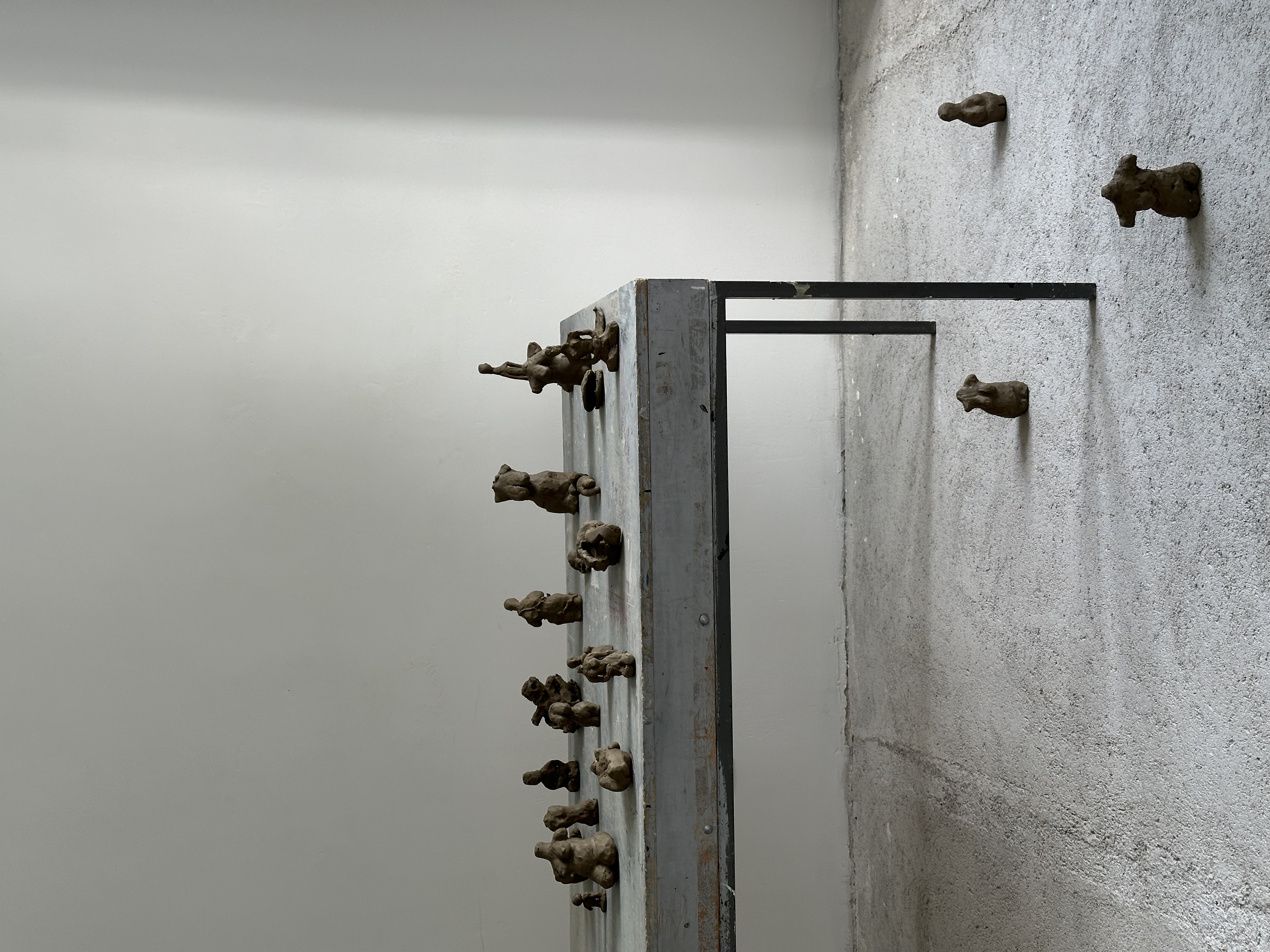

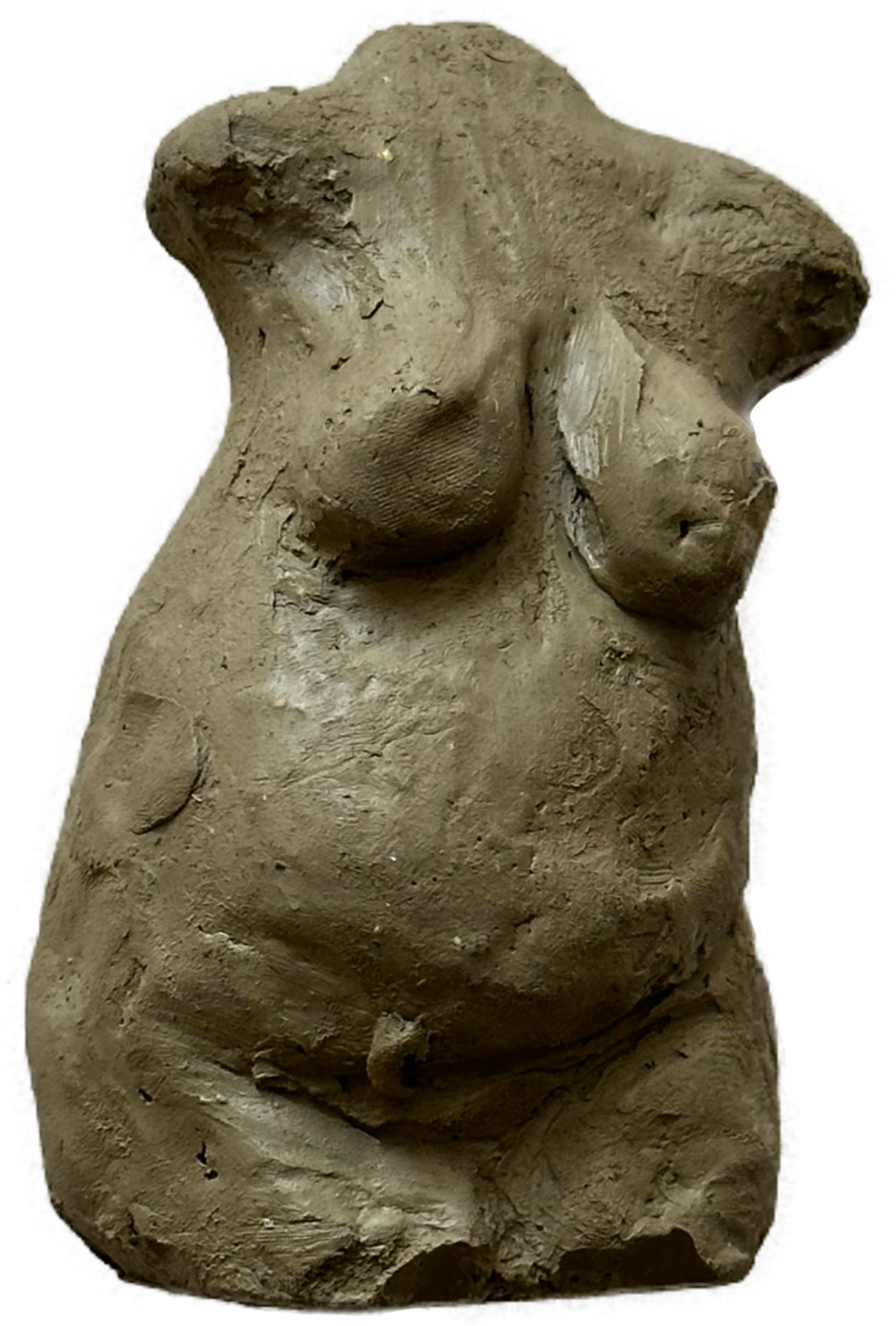
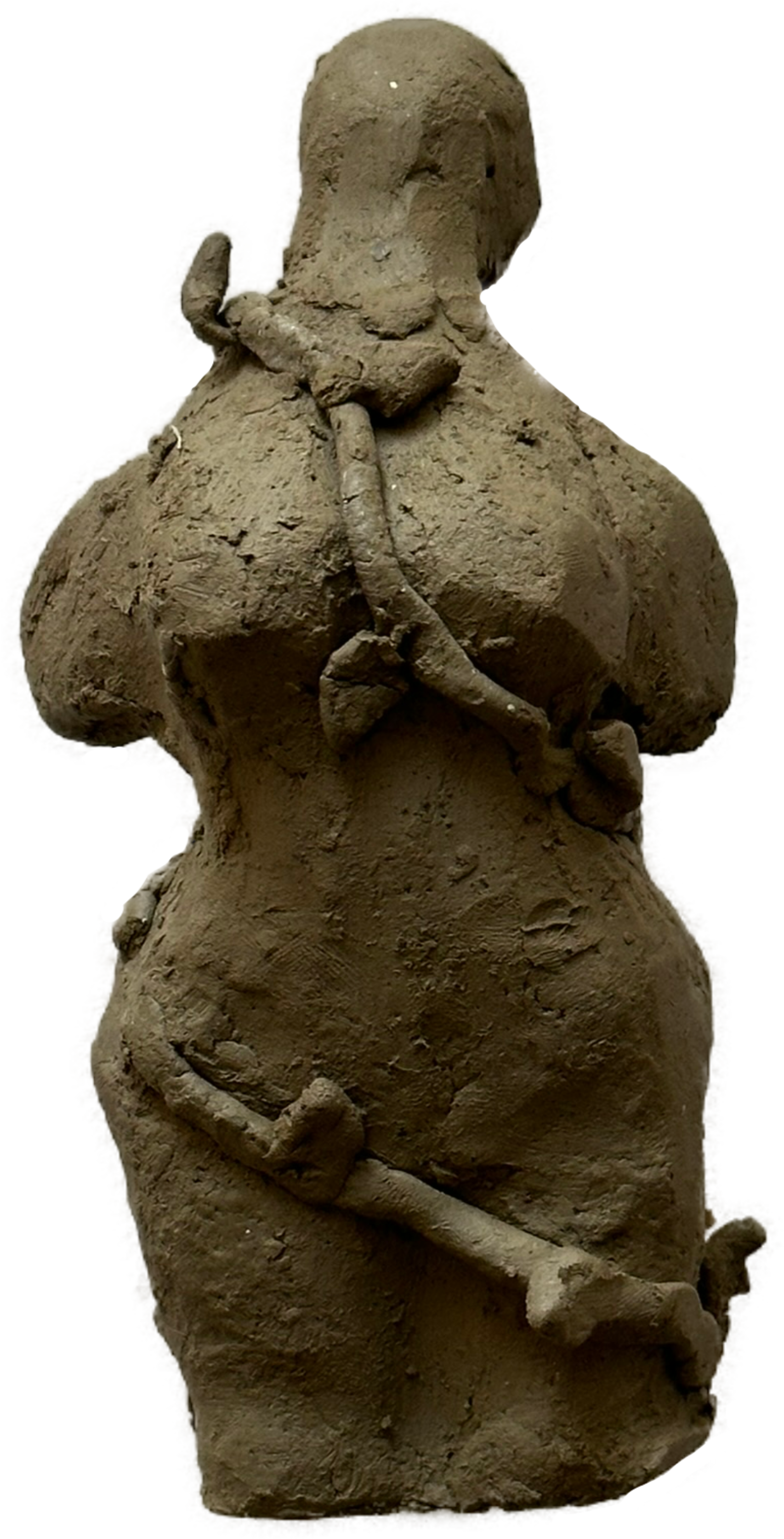
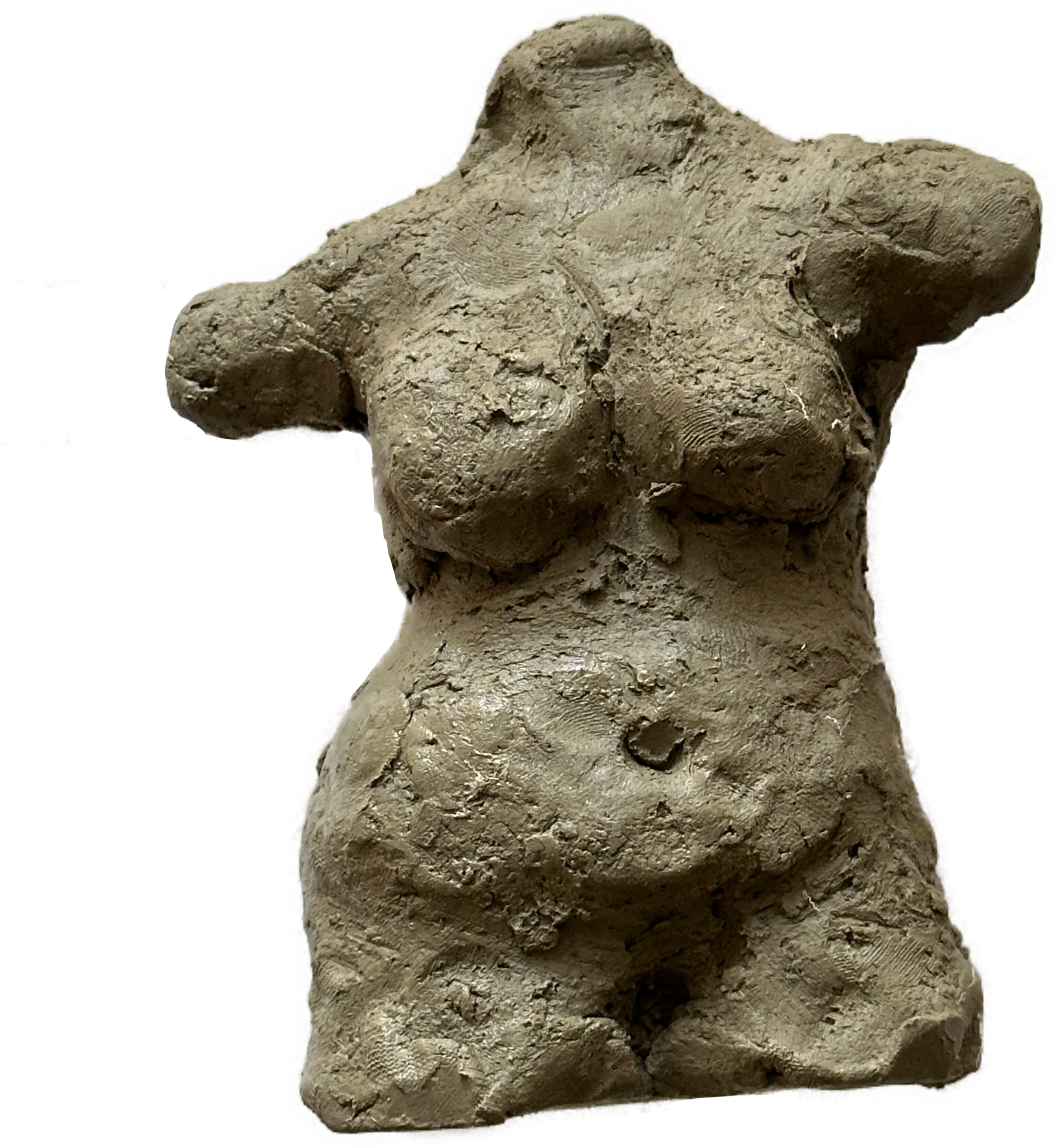
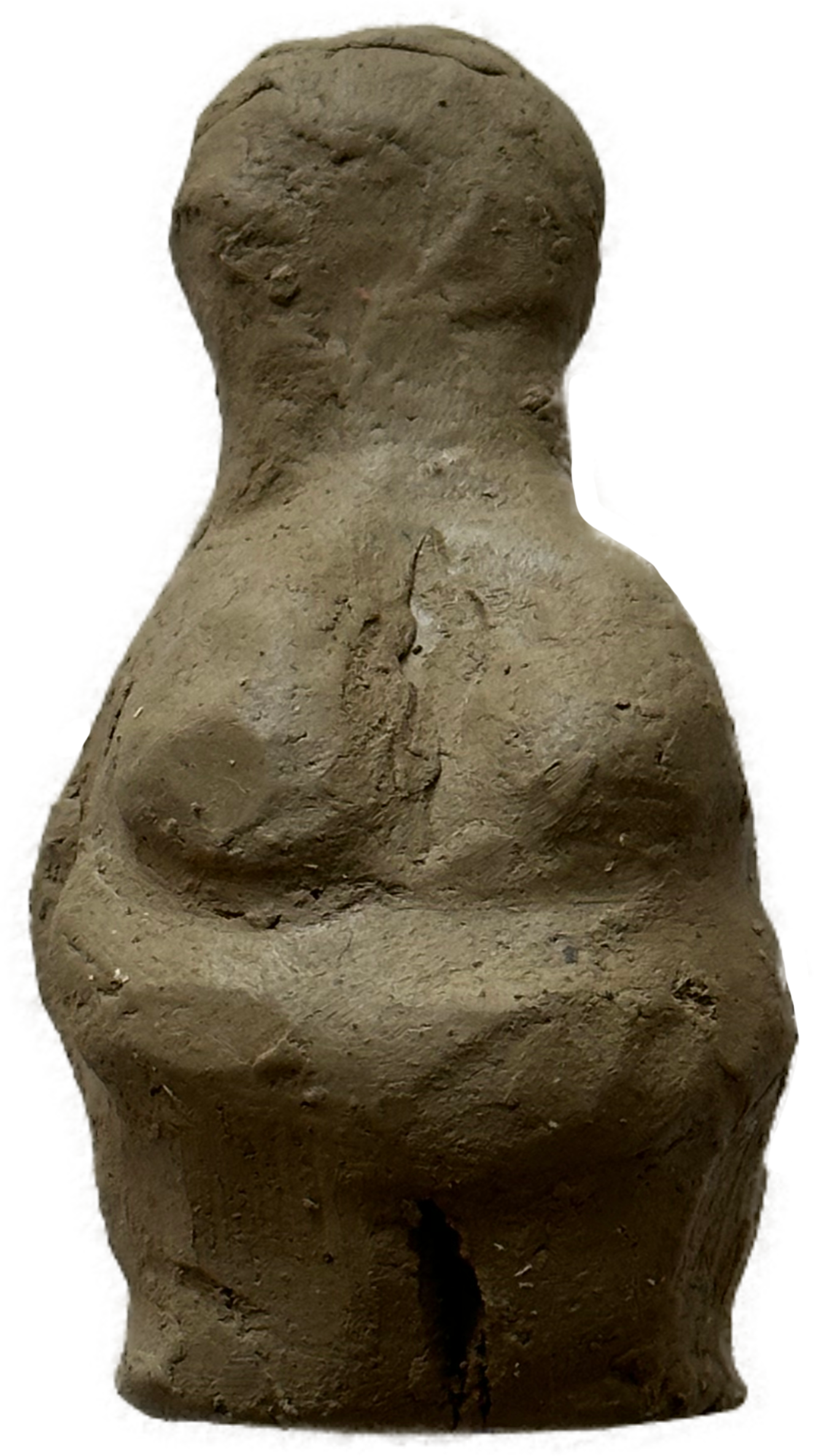
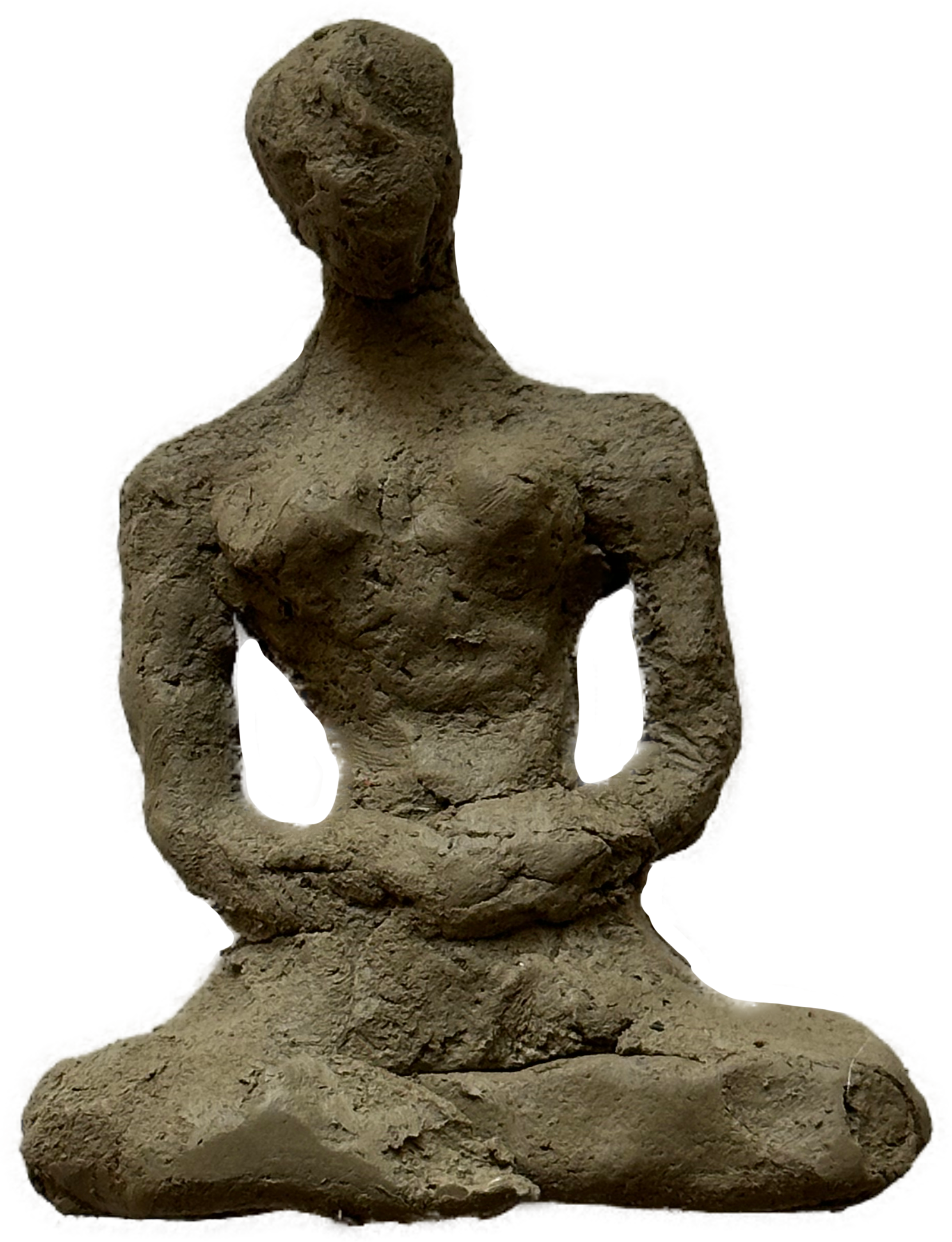
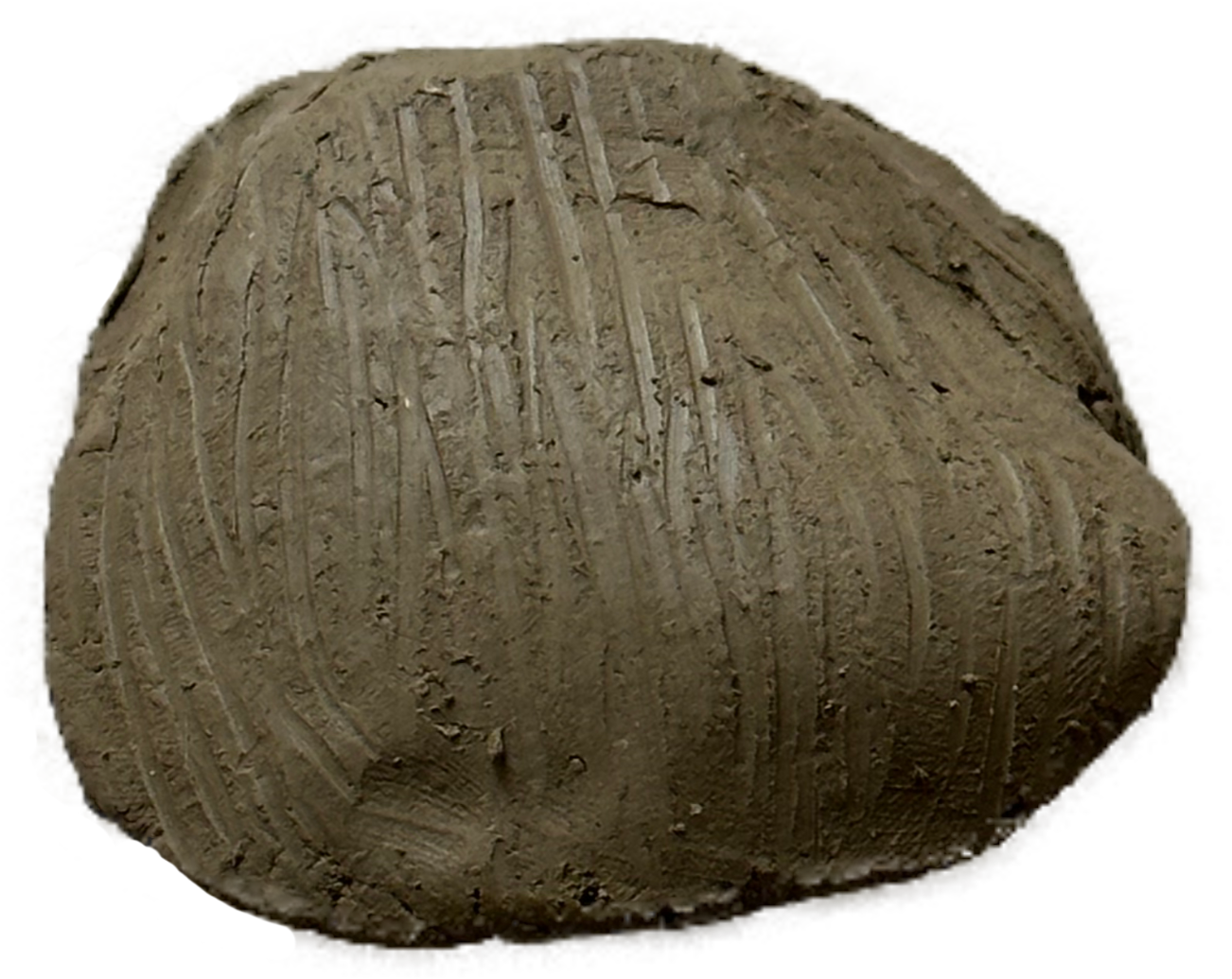
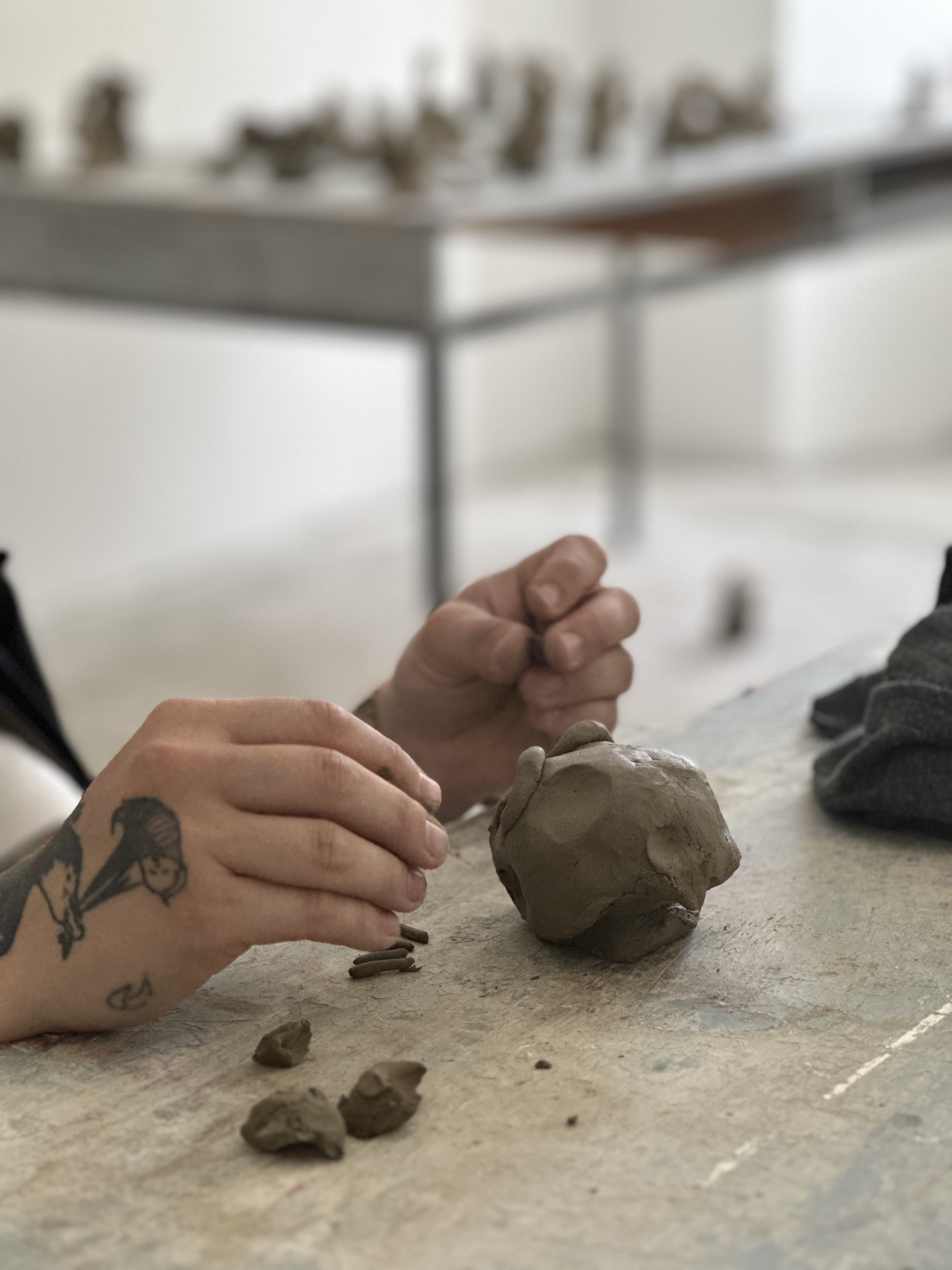
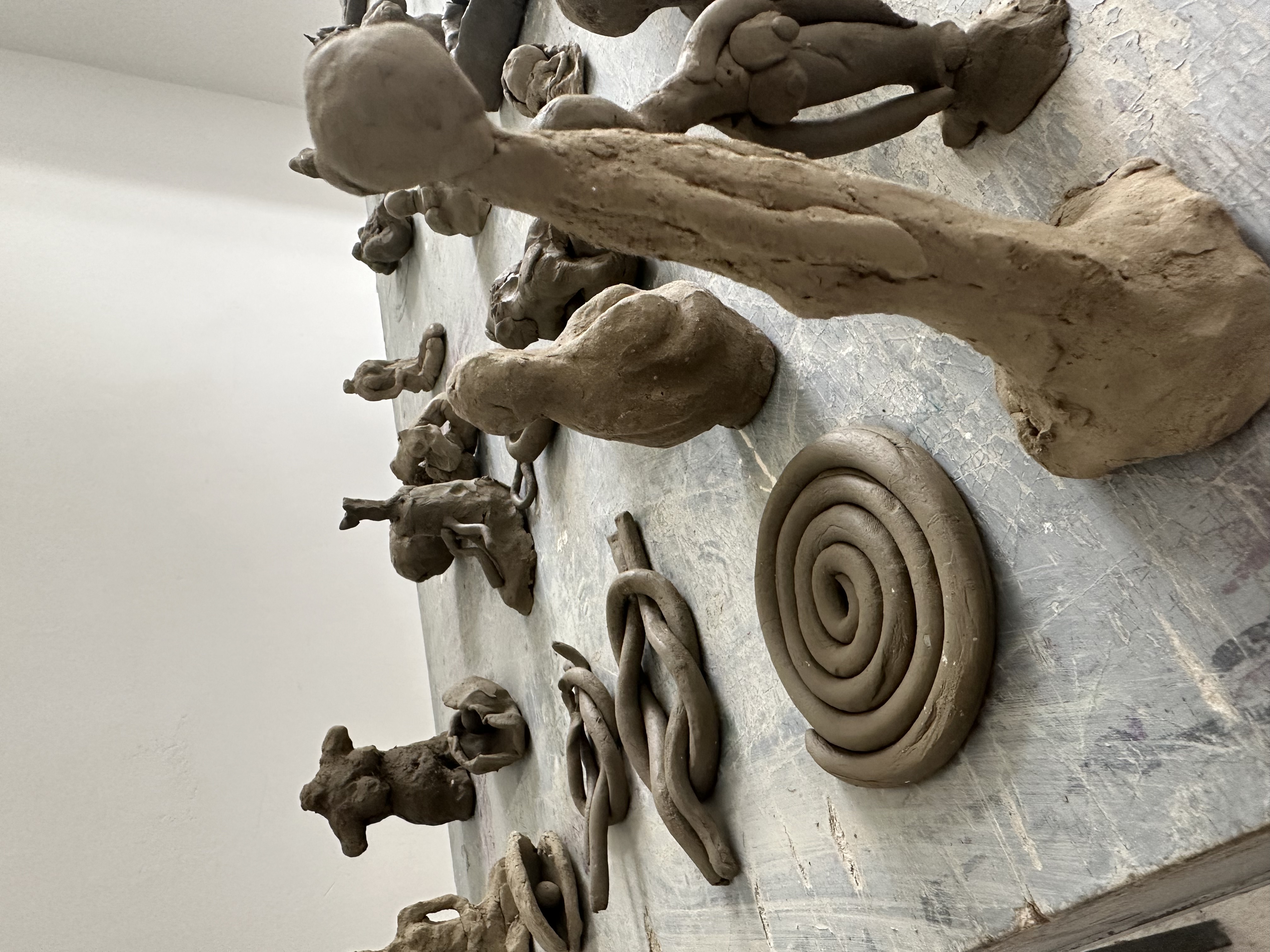
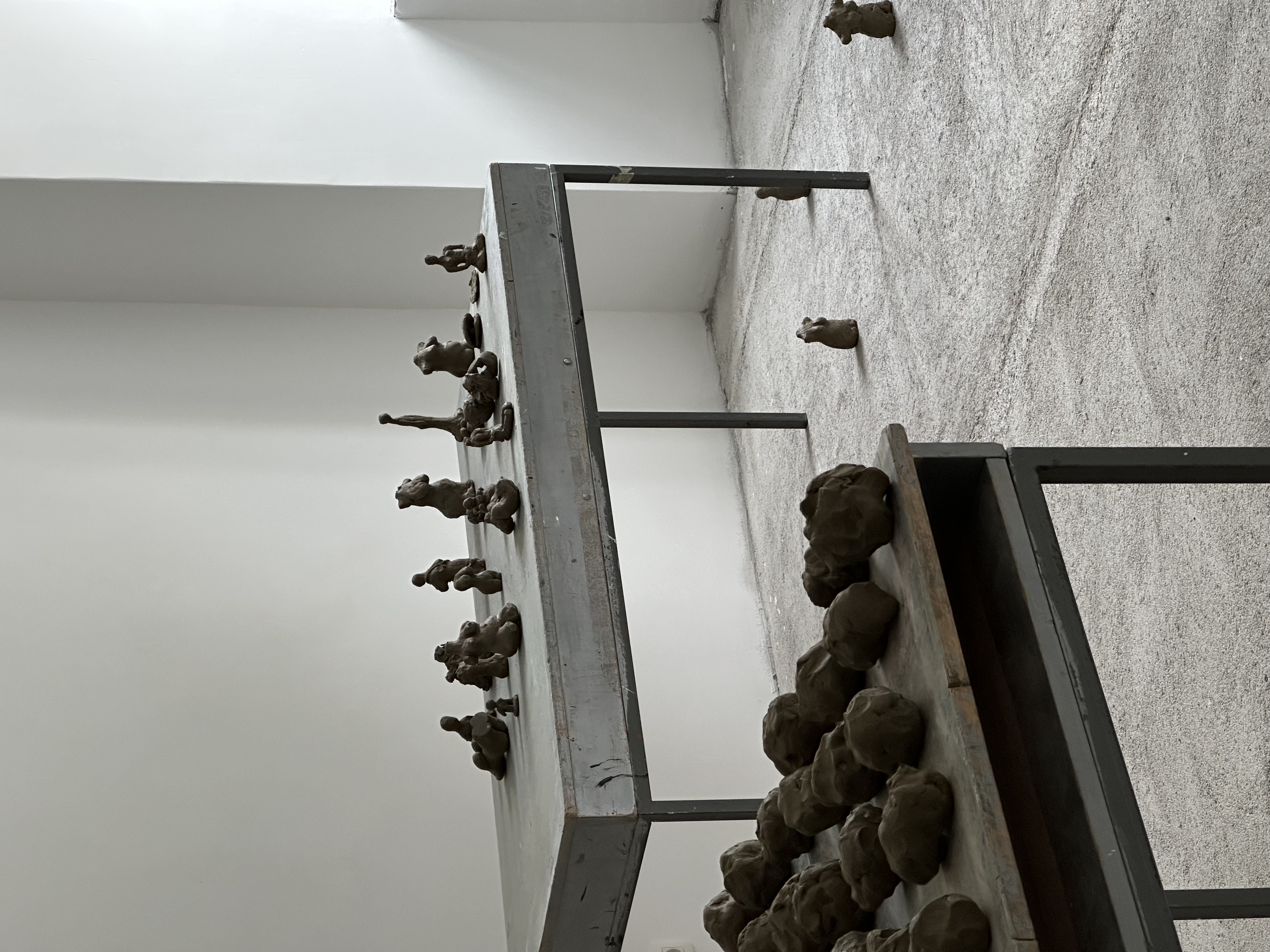
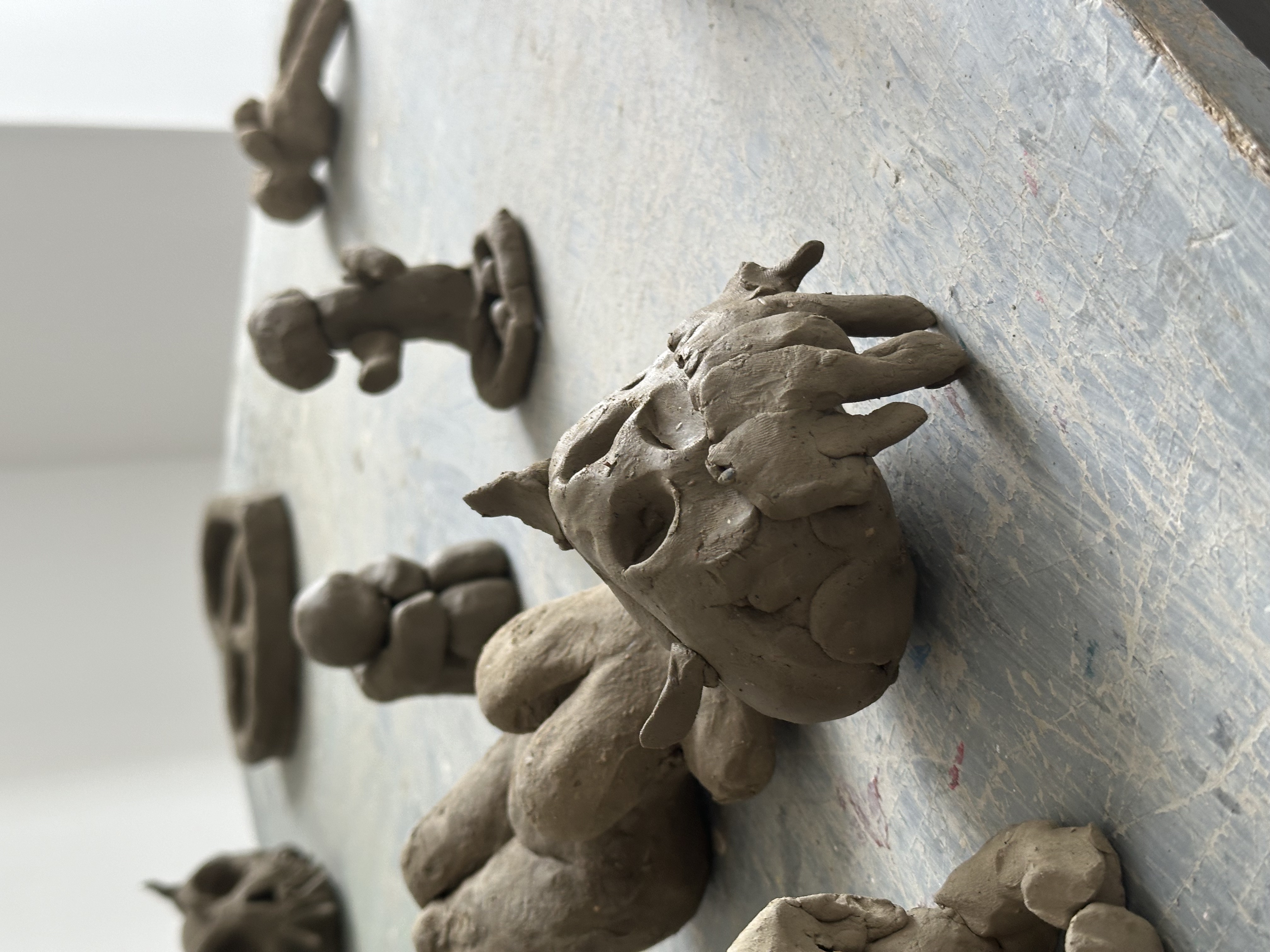
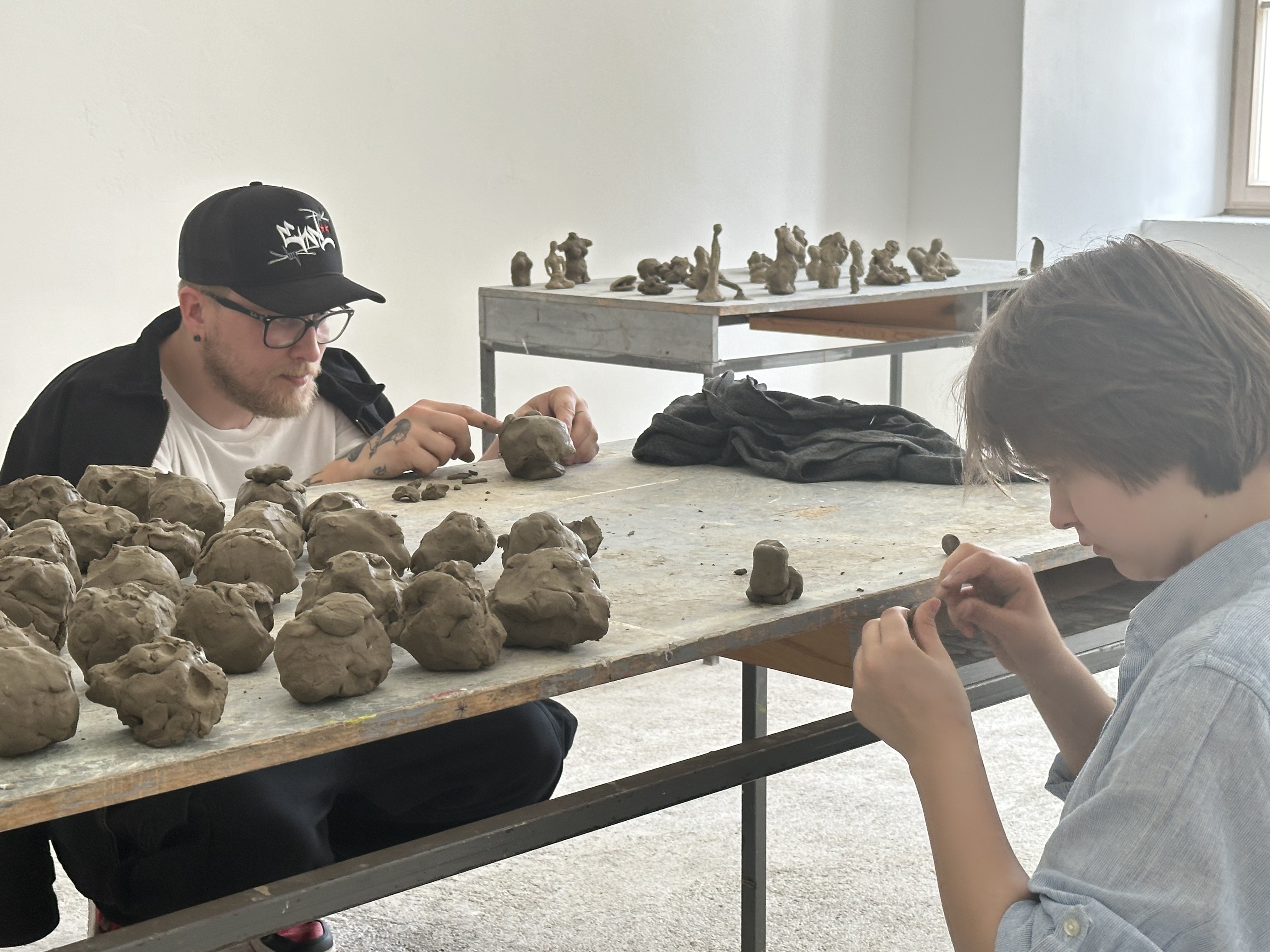
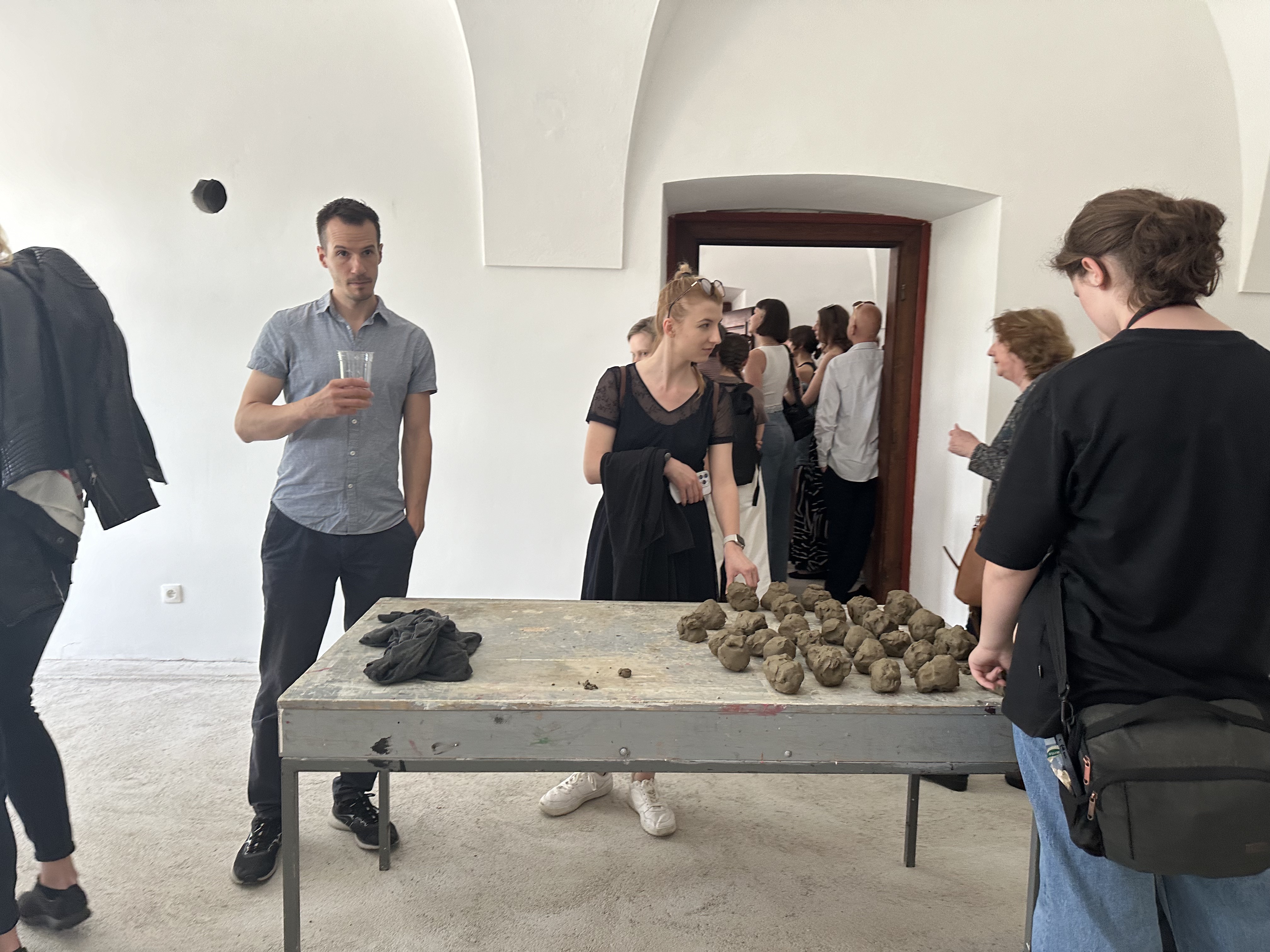
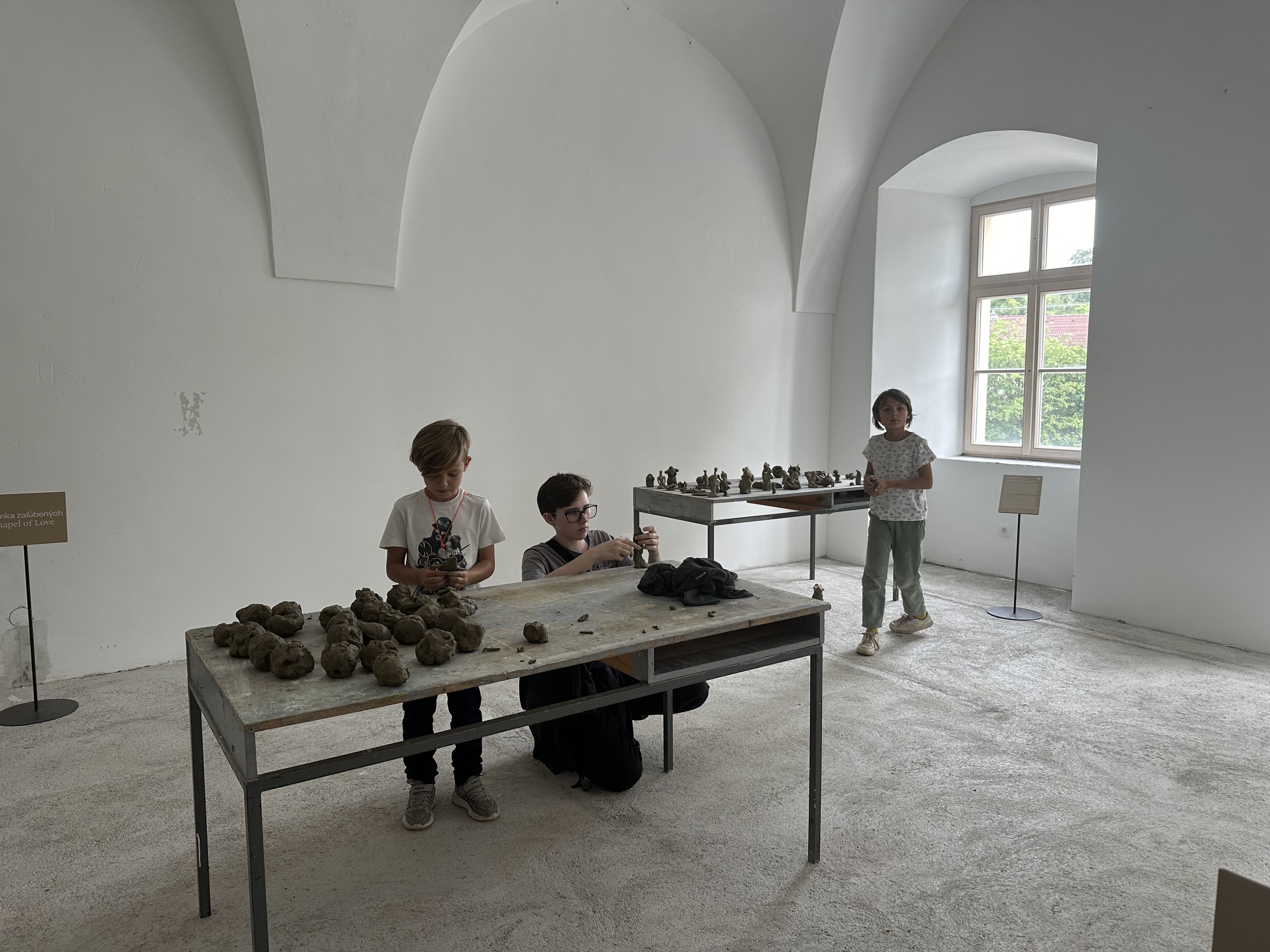
foto: Zuzana Branišová

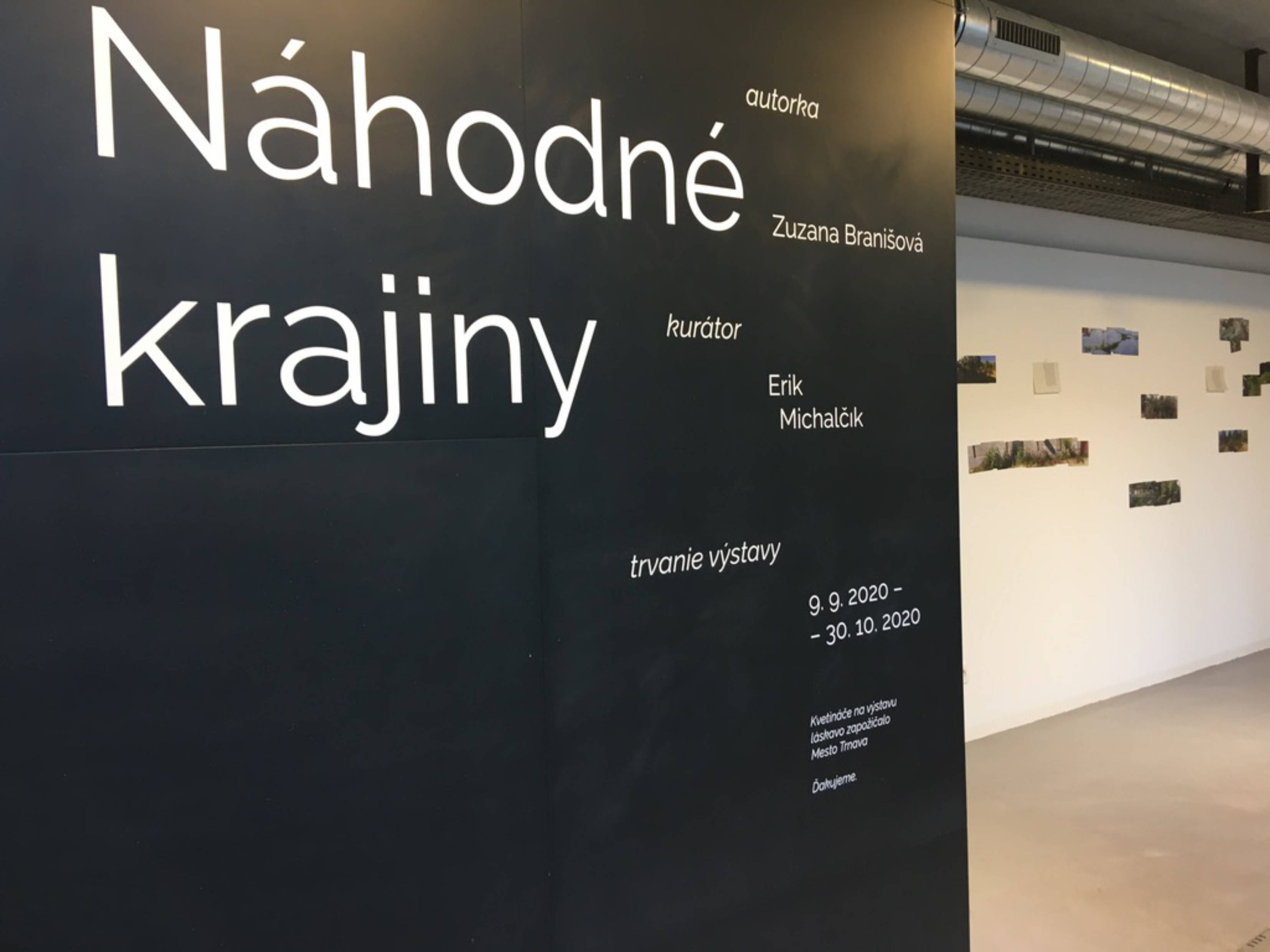
Náhodné krajiny
2020, Čepan Gallery, Trnava

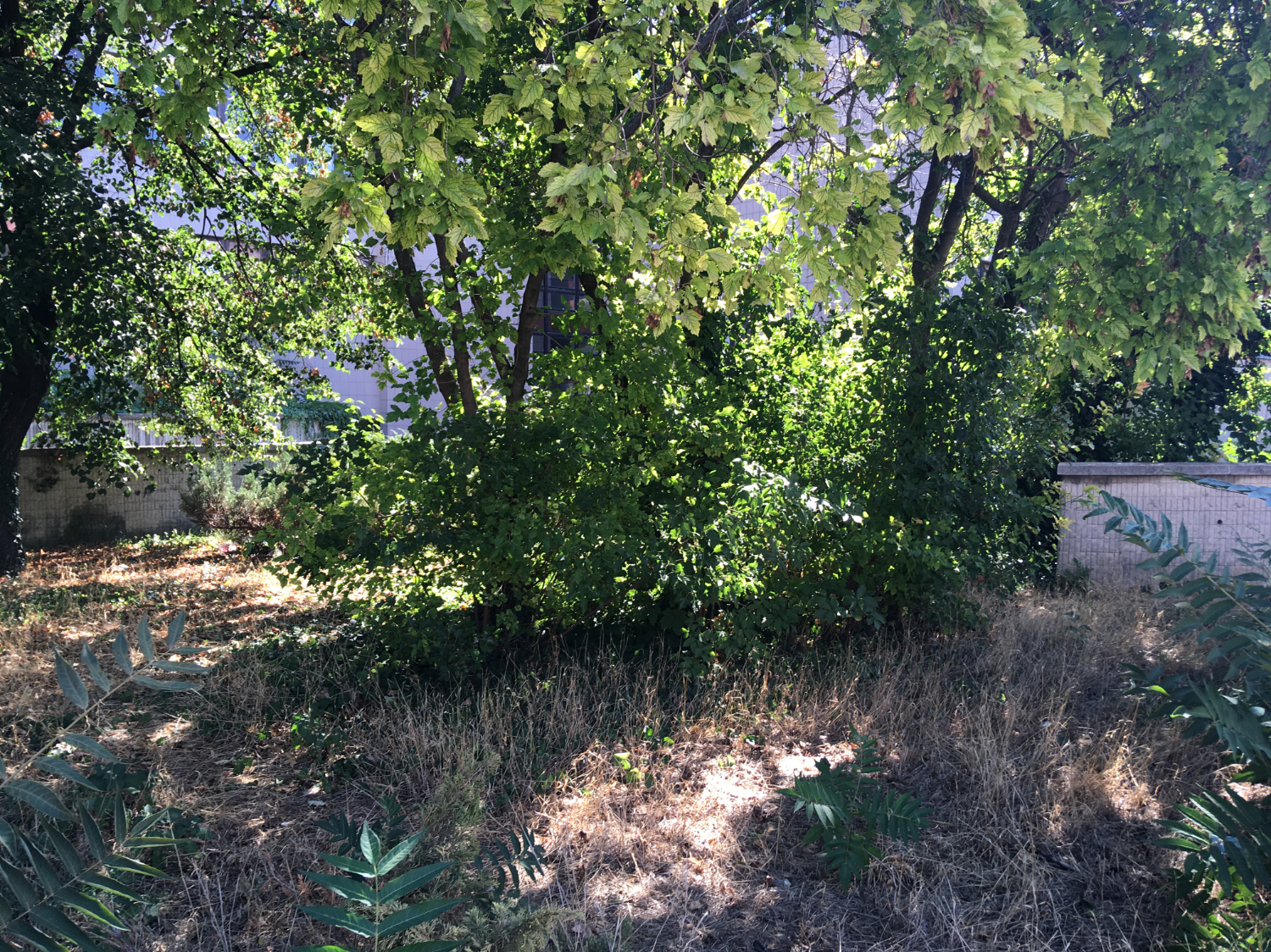
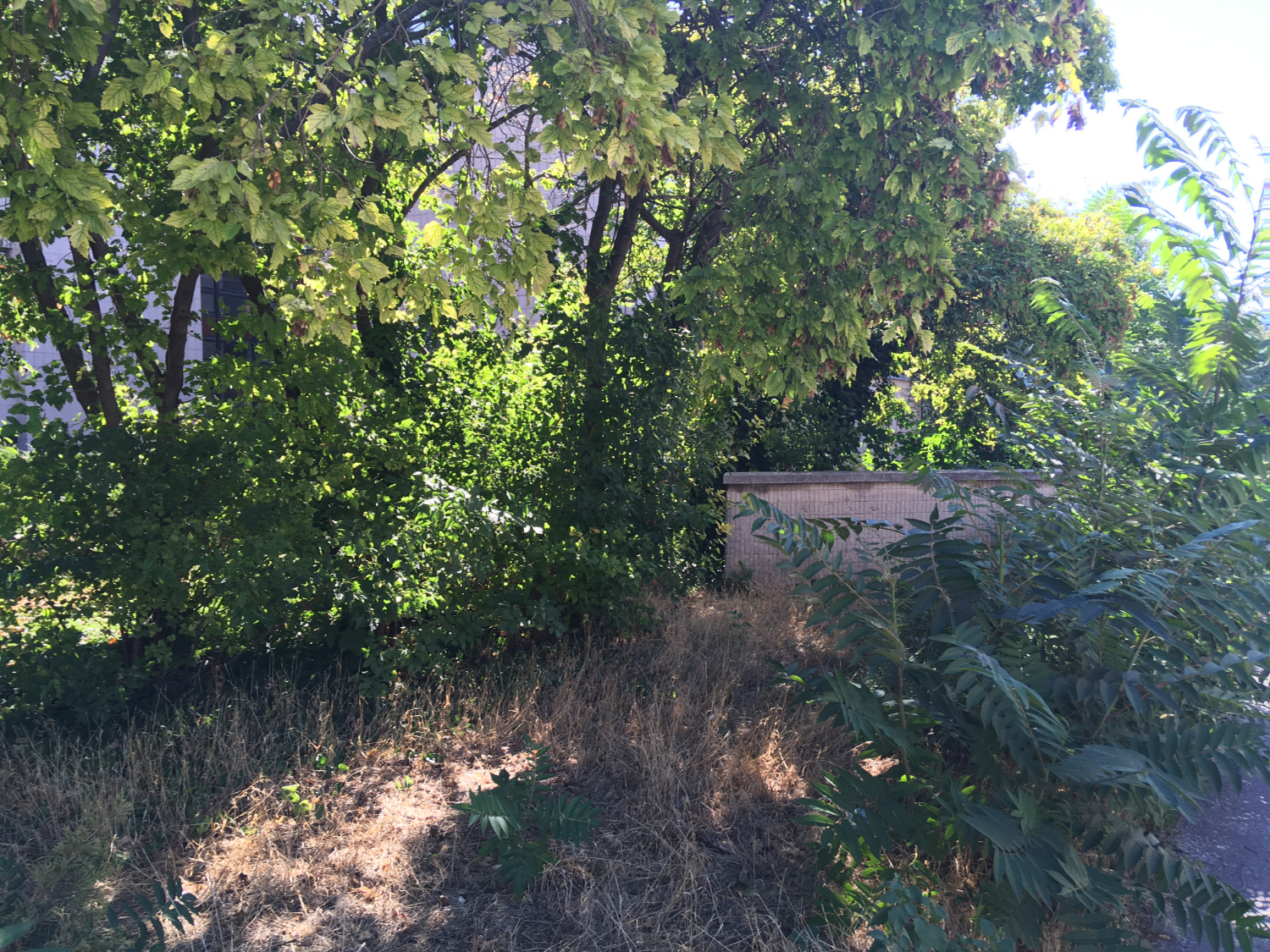
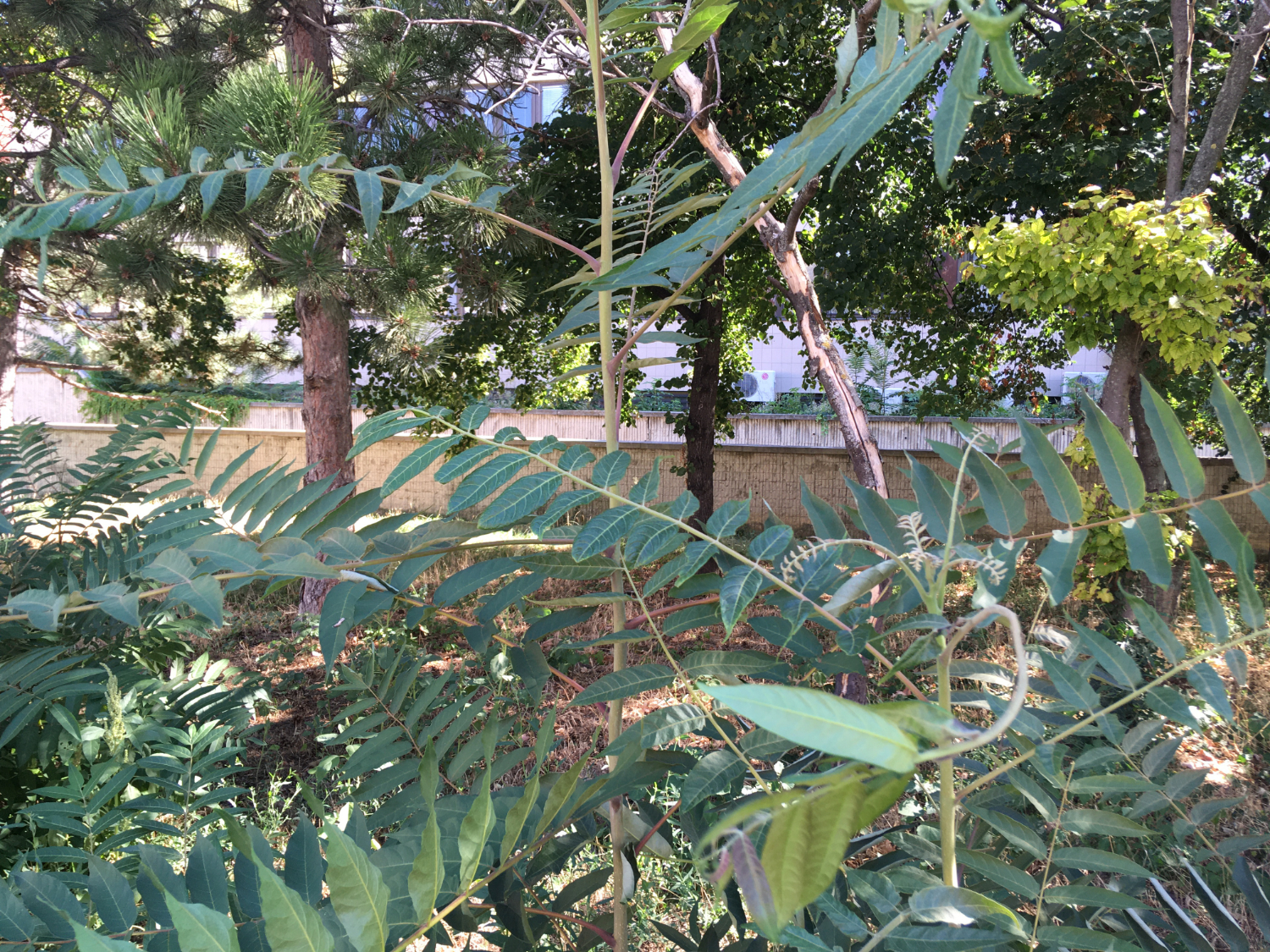
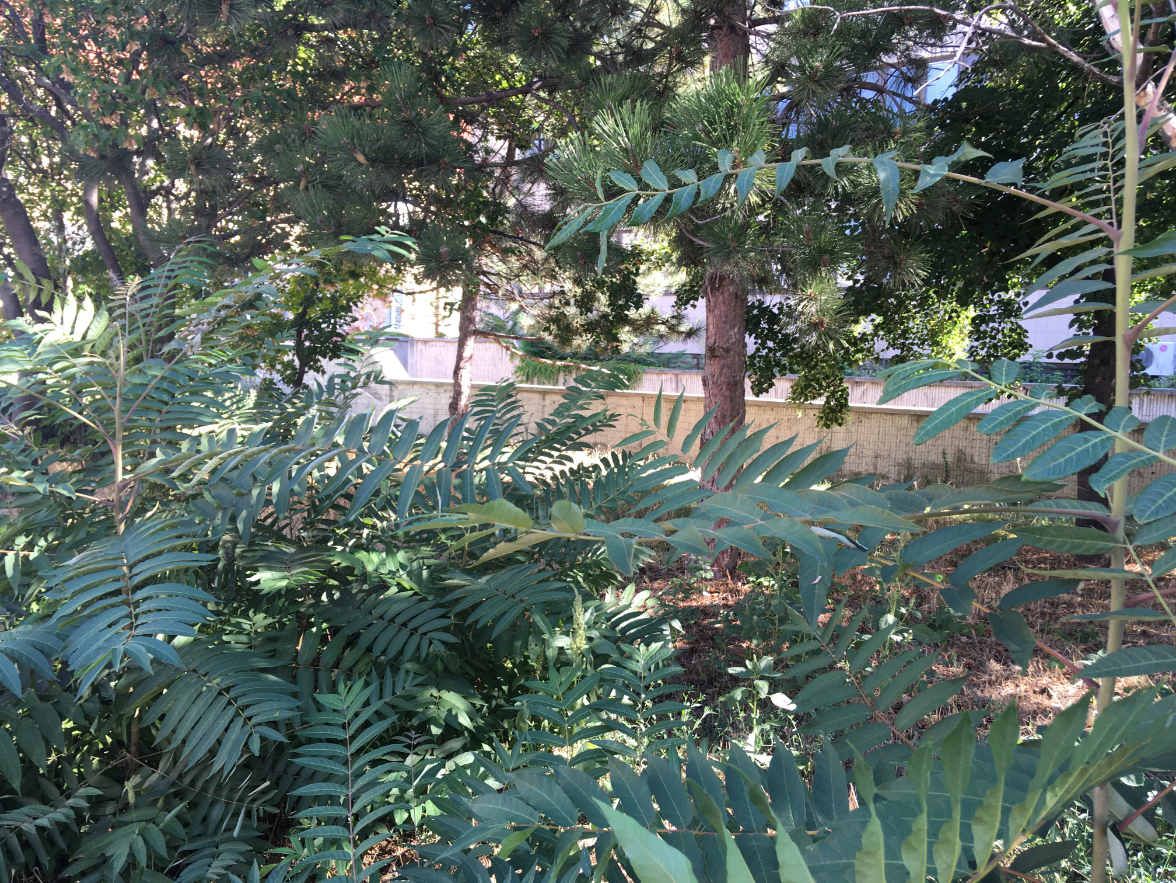
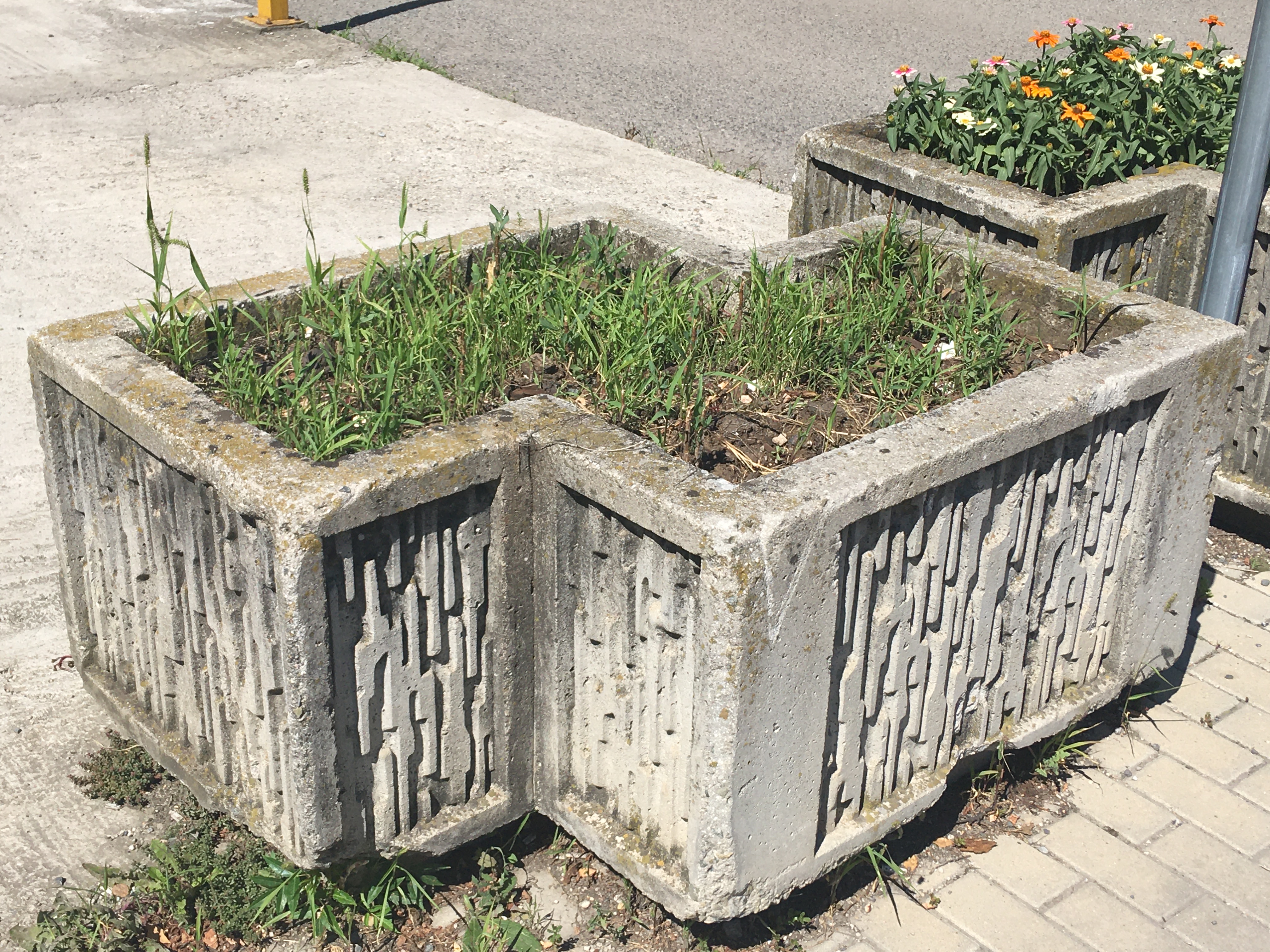
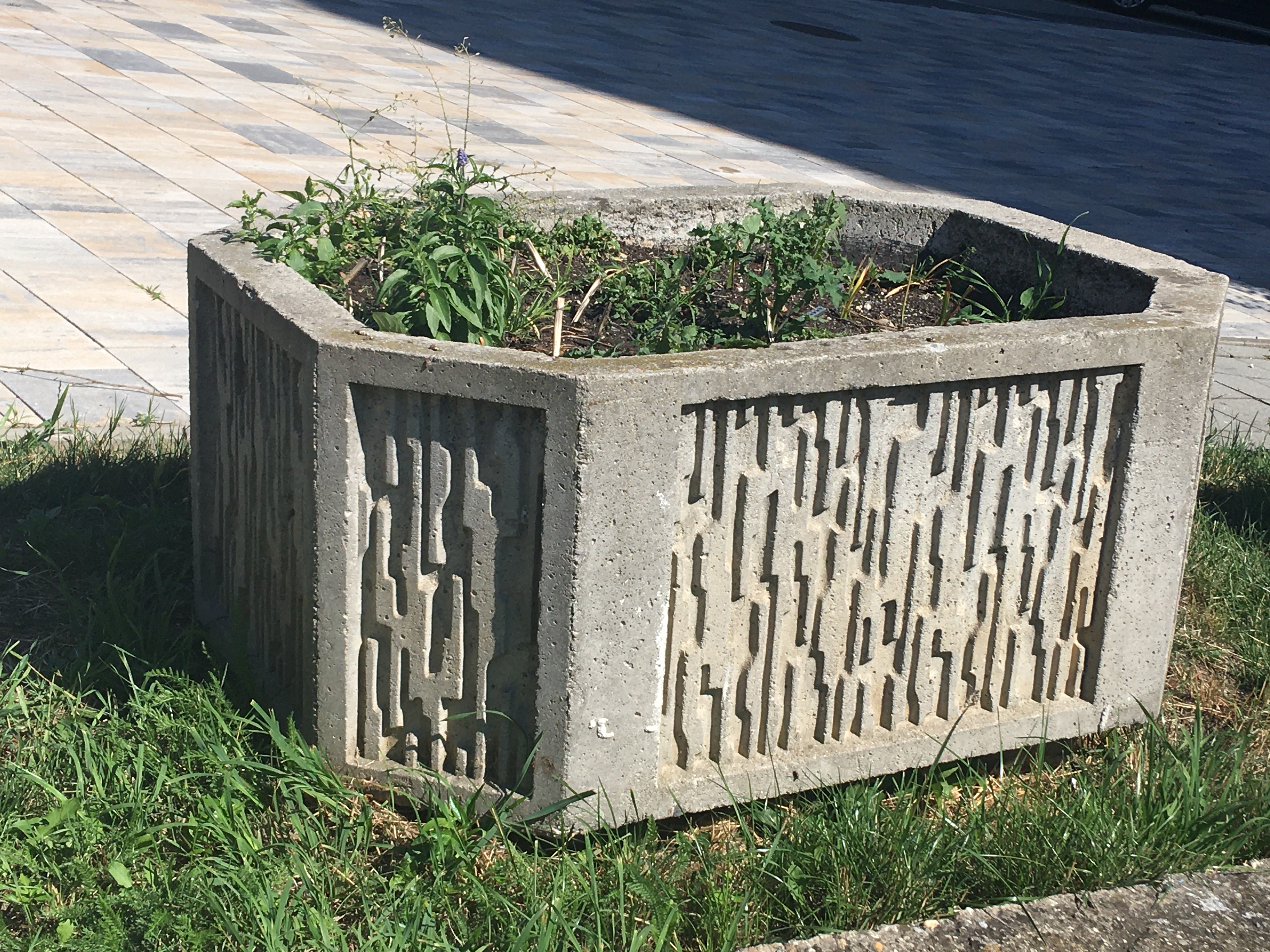
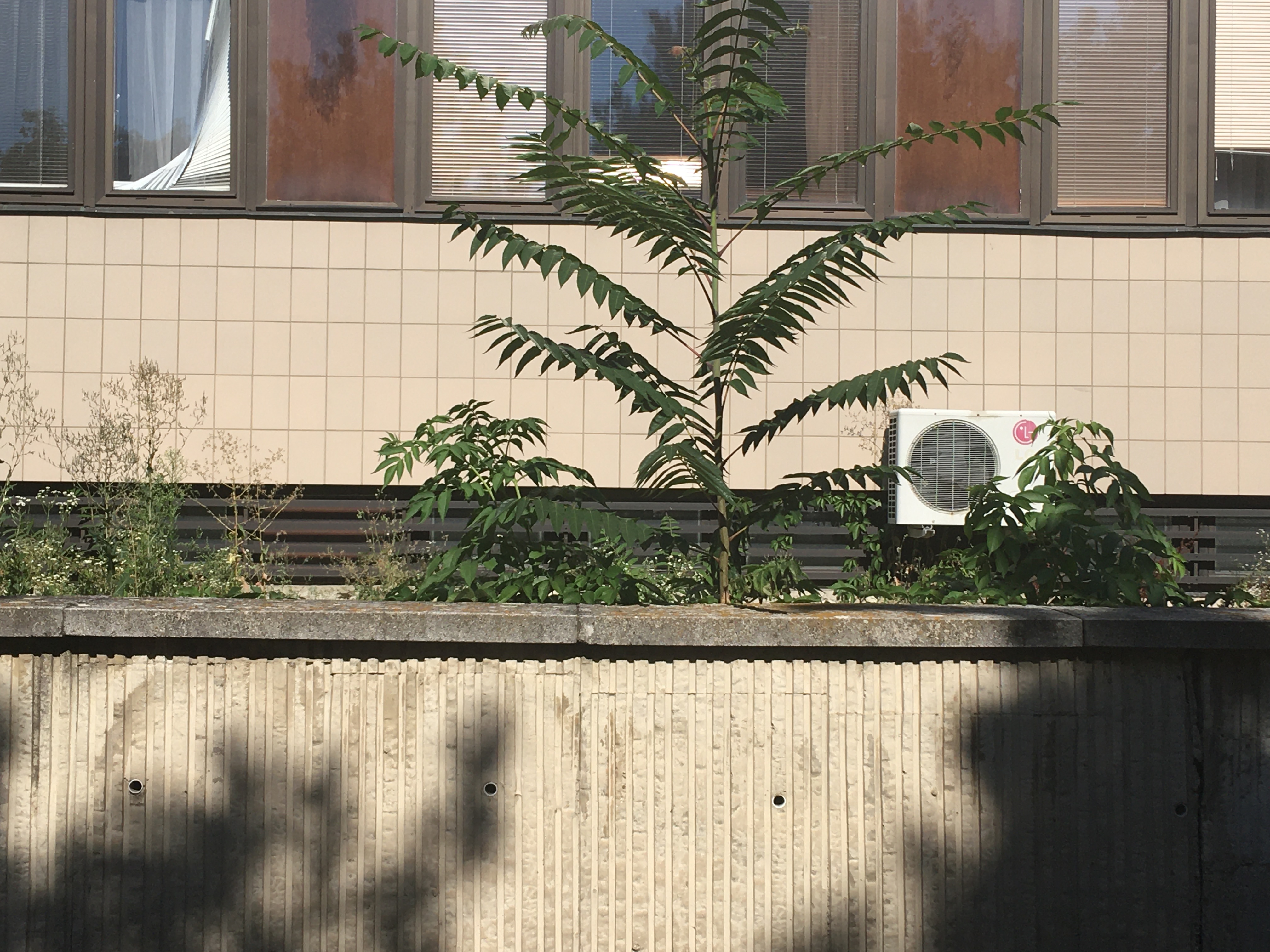
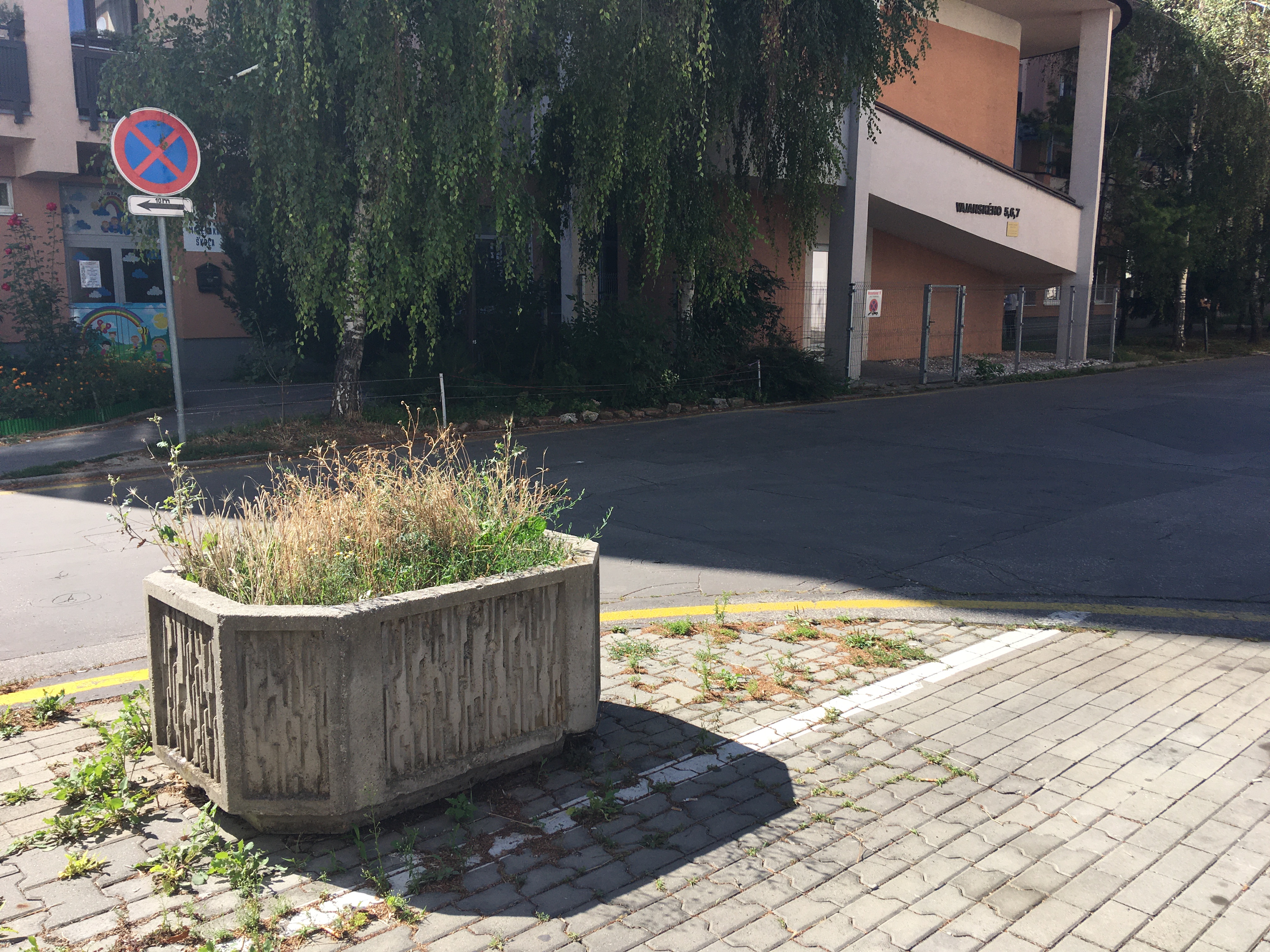
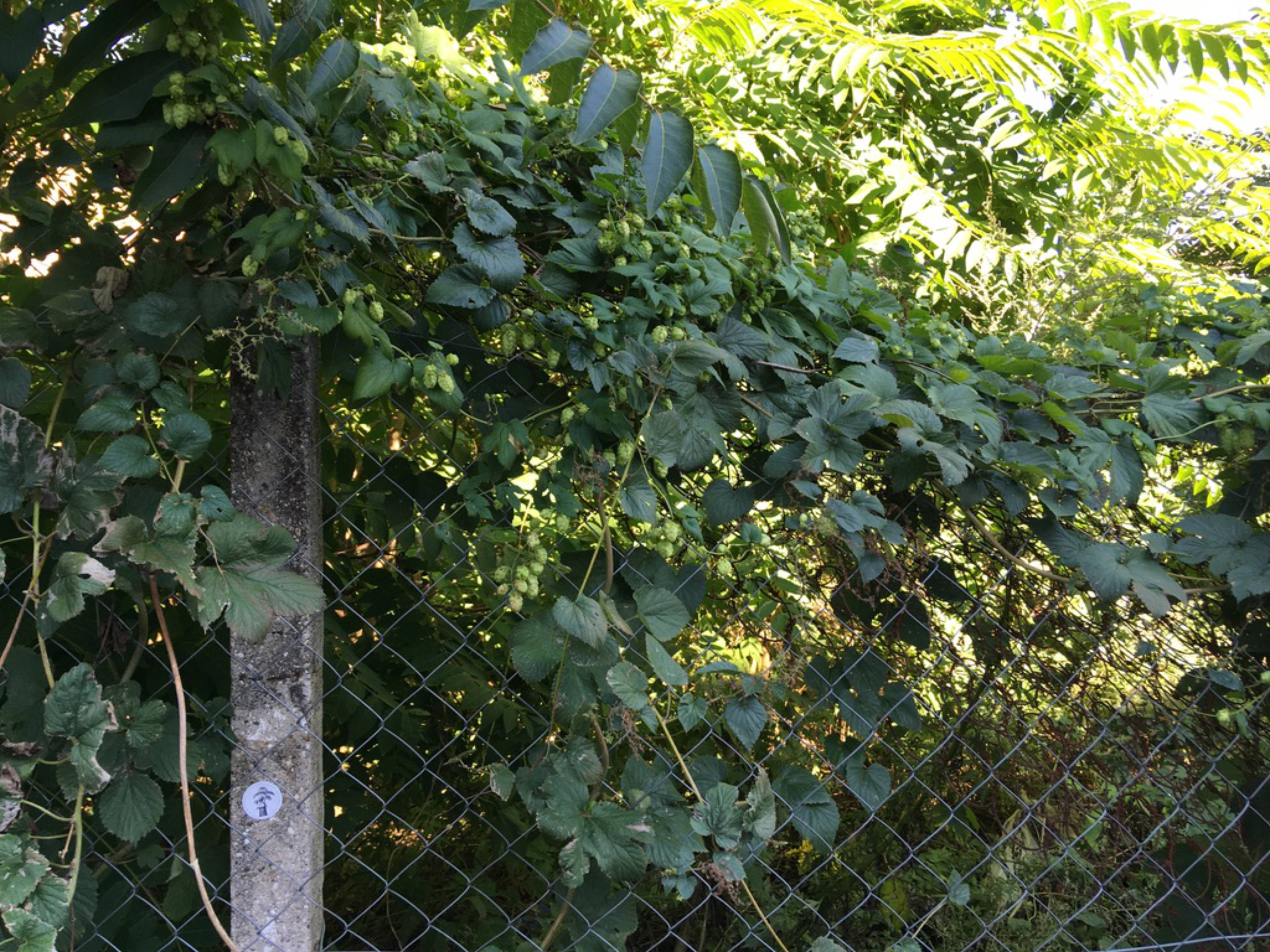
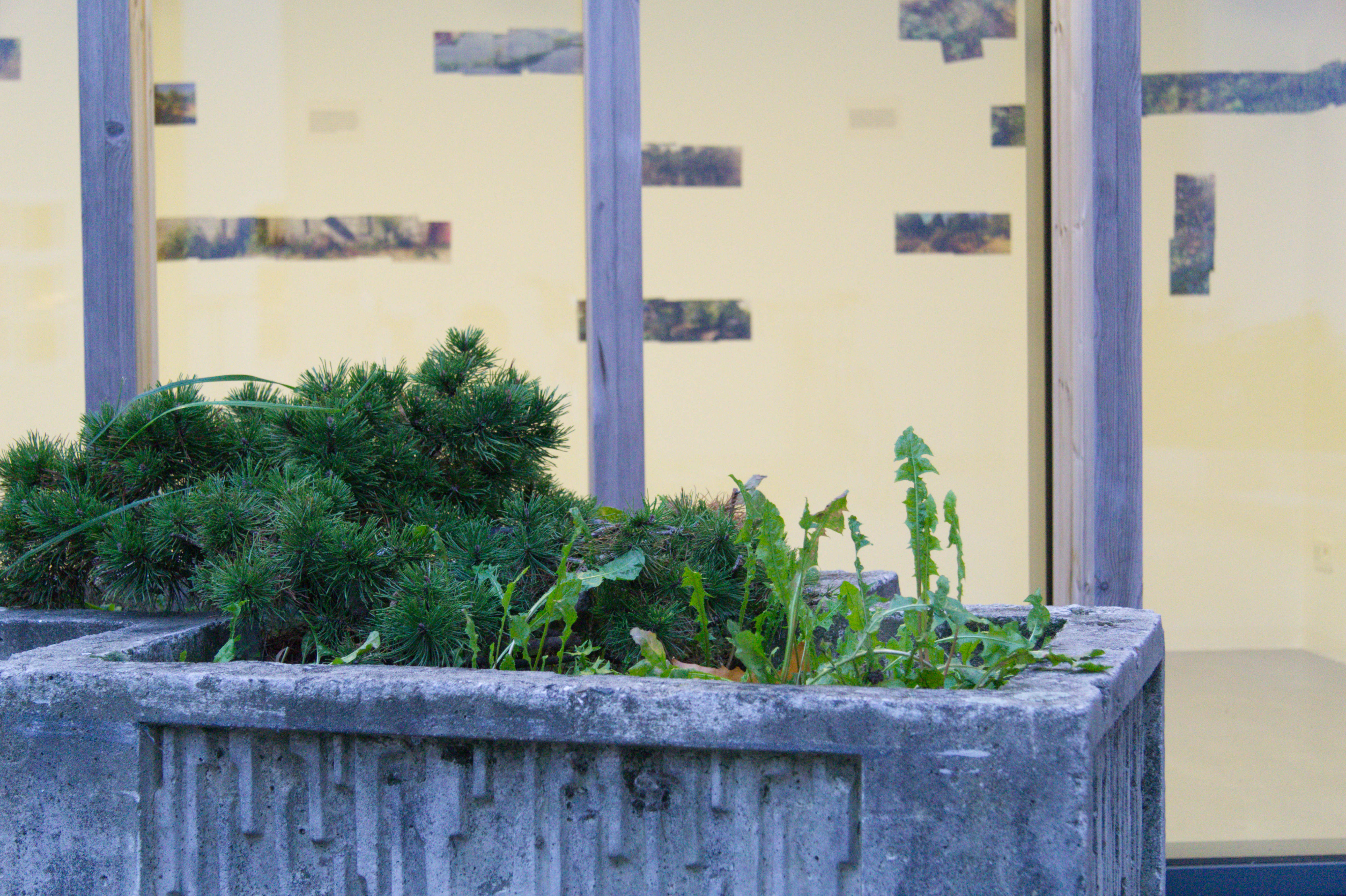
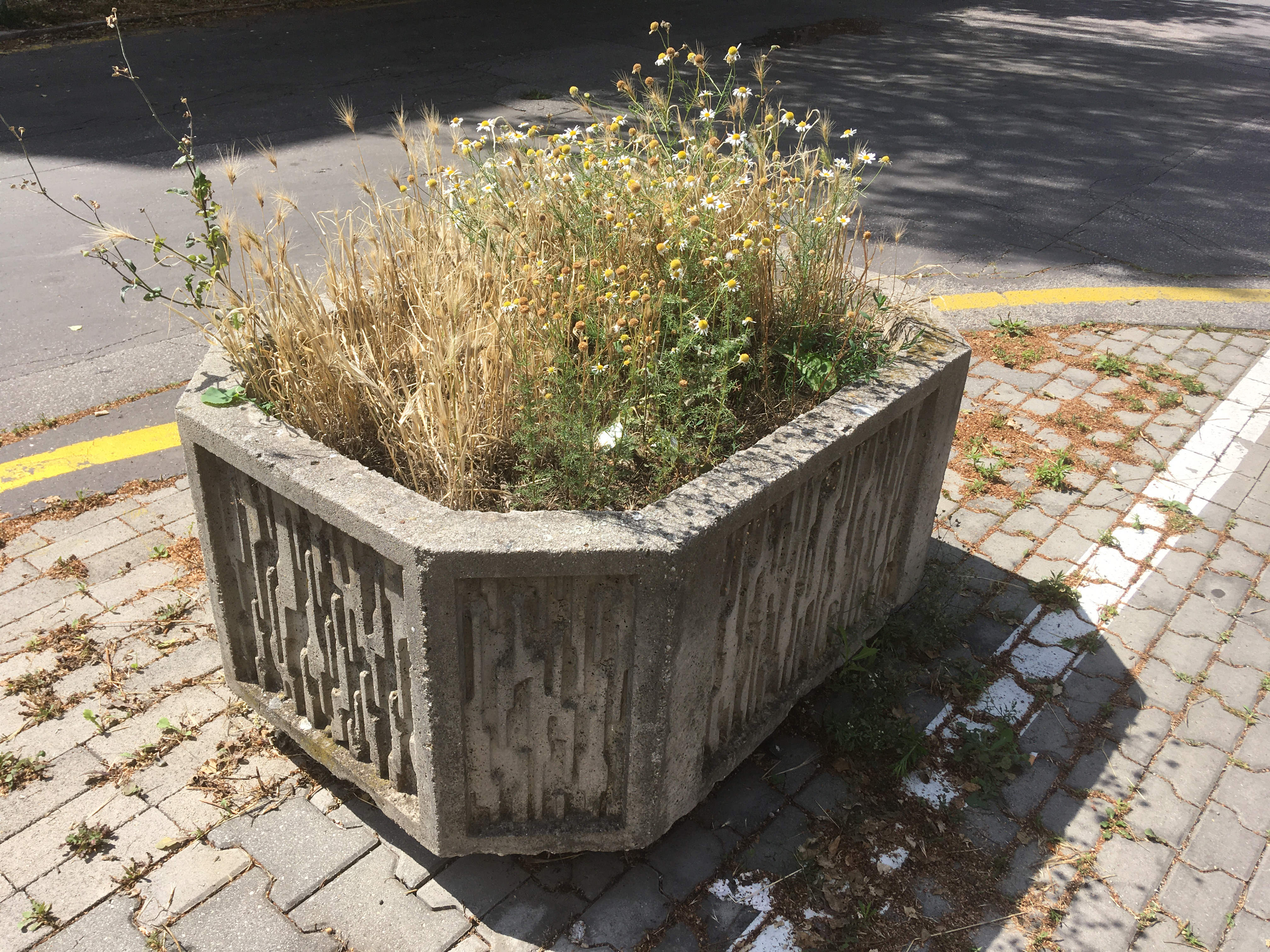
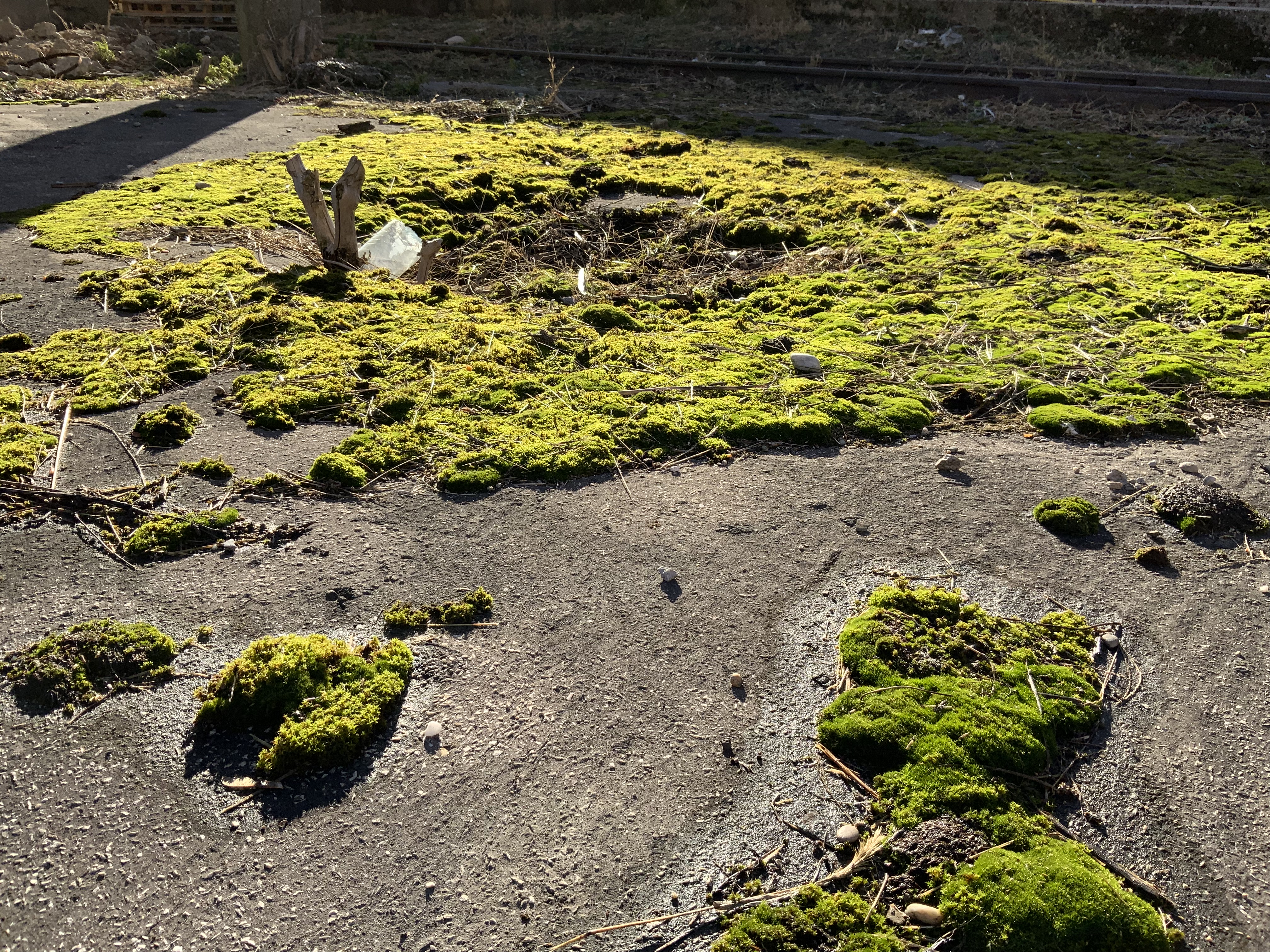
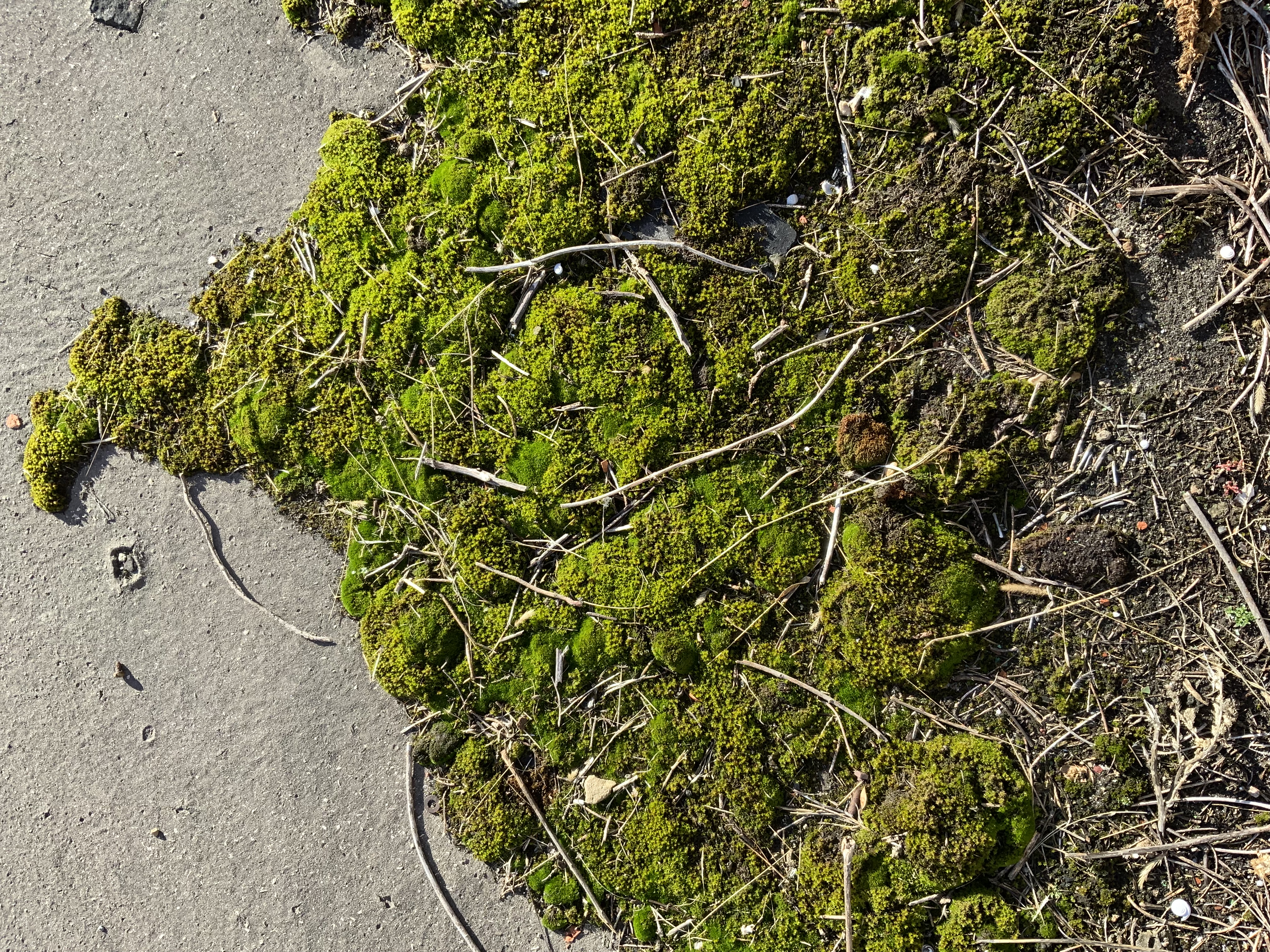
Projekt Náhodné krajiny sleduje prirodzenú krajinotvorbu v urbánnom prostredí. Názov odkazuje na zabudnuté miesta, kde náletové dreviny a trávy slobodne a autonómne rastú. Náhodné krajiny, na rozdiel od kultivovanej mestskej zelene, nie sú regulované a ani kontrolované človekom. Tieto temporálne zelené zóny majú rôznu mierku. Cez niektoré môžeme fyzicky prechádzať, iné navštívime iba pohľadom.
Výstavný projekt v sebe zahŕňa niekoľko významových rovín. Od aktuálnych environmentálnych tém, kde sa ponúka do diskusie možnosť koexistencie náhodnej zelene s oficiálnou výsadbou (sprevádzaná nepriamou kritikou tzv. greenwashingu) až po viaceré konotácie smerujúce k spoločensko-kultúrnym otázkam, kde rastliny (v ich viditeľnej i neviditeľnej podobe) poskytujú široký register metafor a alúzií.
Pojekt bol realizovaný v kurátorskej spolupráci s Erikom Michalčíkom.
https://www.cepangallery.sk/vystava/zuzana-branisova-nahodne-krajiny/
Výstavný projekt v sebe zahŕňa niekoľko významových rovín. Od aktuálnych environmentálnych tém, kde sa ponúka do diskusie možnosť koexistencie náhodnej zelene s oficiálnou výsadbou (sprevádzaná nepriamou kritikou tzv. greenwashingu) až po viaceré konotácie smerujúce k spoločensko-kultúrnym otázkam, kde rastliny (v ich viditeľnej i neviditeľnej podobe) poskytujú široký register metafor a alúzií.
Pojekt bol realizovaný v kurátorskej spolupráci s Erikom Michalčíkom.
https://www.cepangallery.sk/vystava/zuzana-branisova-nahodne-krajiny/
The project Accidental Landscapes observes natural landscape formation within the urban environment. The title refers to forgotten places where self-seeded trees and grasses grow freely and autonomously. Unlike cultivated urban greenery, accidental landscapes are neither regulated nor controlled by humans. These temporary green zones exist on different scales. Some of them can be physically entered and walked through, while others can only be visited by the gaze.
The exhibition project encompasses several layers of meaning. These range from current environmental issues, where the possibility of coexistence between accidental greenery and official planting is opened up for discussion — accompanied by an indirect critique of so-called greenwashing — to various connotations directed towards socio-cultural questions, in which plants, in both their visible and invisible forms, offer a broad register of metaphors and allusions.
The project was realised in curatorial collaboration with Erik Michalčík.
The exhibition project encompasses several layers of meaning. These range from current environmental issues, where the possibility of coexistence between accidental greenery and official planting is opened up for discussion — accompanied by an indirect critique of so-called greenwashing — to various connotations directed towards socio-cultural questions, in which plants, in both their visible and invisible forms, offer a broad register of metaphors and allusions.
The project was realised in curatorial collaboration with Erik Michalčík.













Vypestované
Cultivated
2016, Umelka, Bratislava

︎katalóg︎
V inštalácii Vypestované metafora kultivácie odkazuje na proces, ktorý sa neodohráva iba v teritóriu prírody, ale aj v rámci spoločenského, kultúrneho a osobného.
Názov možno čítať v dvoch vzájomne prepojených významových rámcoch. V prvom zmysle označuje niečo, čo bolo vypestované ako organická entita. Ako niečo, čo vyrástlo, zmenilo svoj objem, tvar a kvalitu. V druhom zmysle odkazuje na postupne nadobudnuté a upevnené návyky, zlozvyky, predsudky, strachy, očakávania či modely správania, ktoré sa v jednotlivcovi aj v spoločnosti formujú dlhodobým opakovaním.
Dielo vychádza z napätia medzi prirodzeným rastom a kultúrnym podmieňovaním. To, čo rastie, nereprezentuje iba biologický jav, ale je obrazom procesu, v ktorom sa určité vzorce myslenia a konania zakoreňujú, rozrastajú a stávajú sa súčasťou každodennosti. „Vypestované“ tak nie je chápané ako neutrálna kategória. Nesie v sebe otázku pôvodu, starostlivosti, kontroly aj zodpovednosti. Názov evokuje otázky: čo v sebe pestujeme, čo preberáme, čo nechávame dlhodobo rásť a čo sa v nás rozmnožuje bez toho, aby sme si to plne uvedomovali?
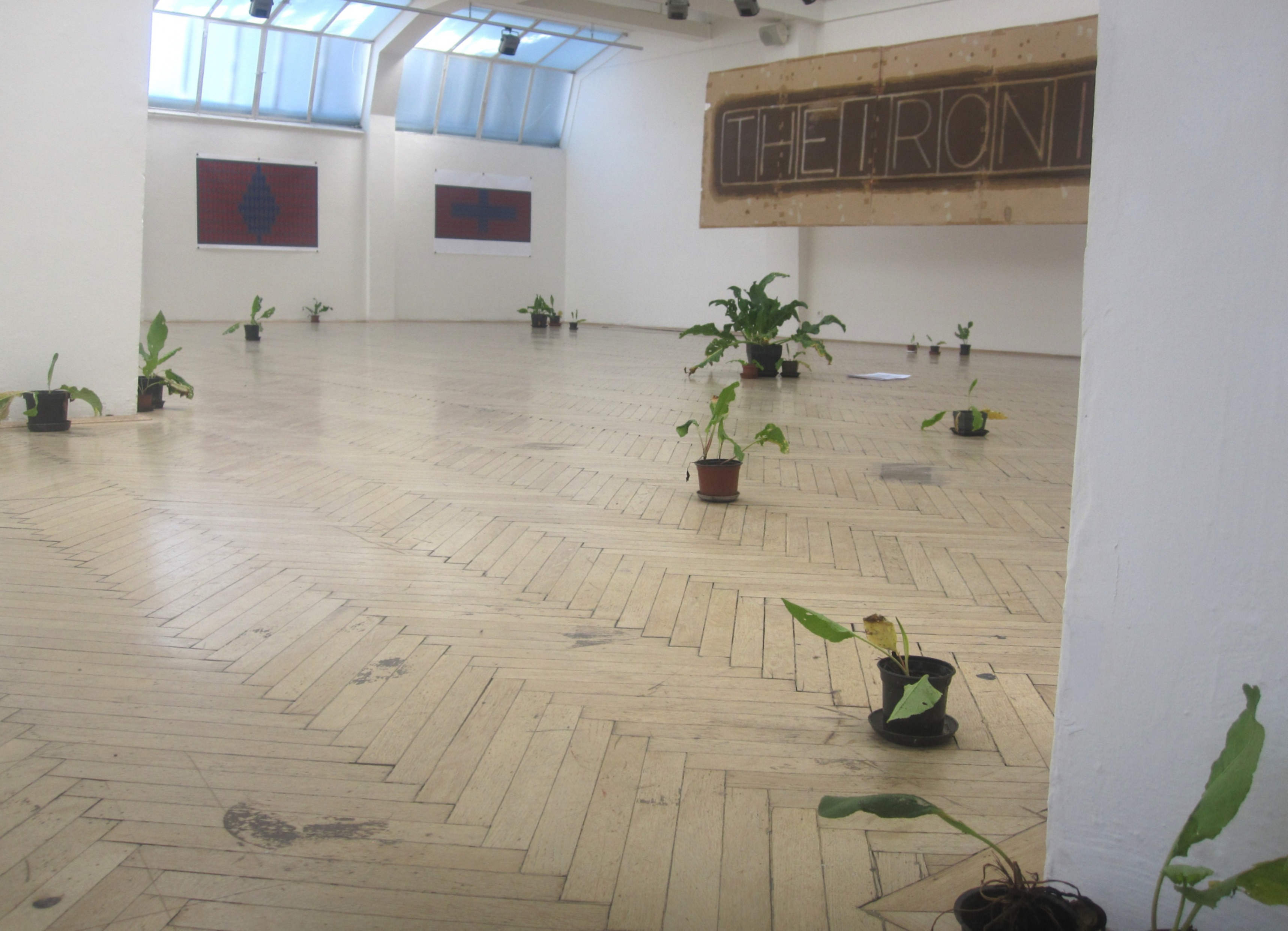
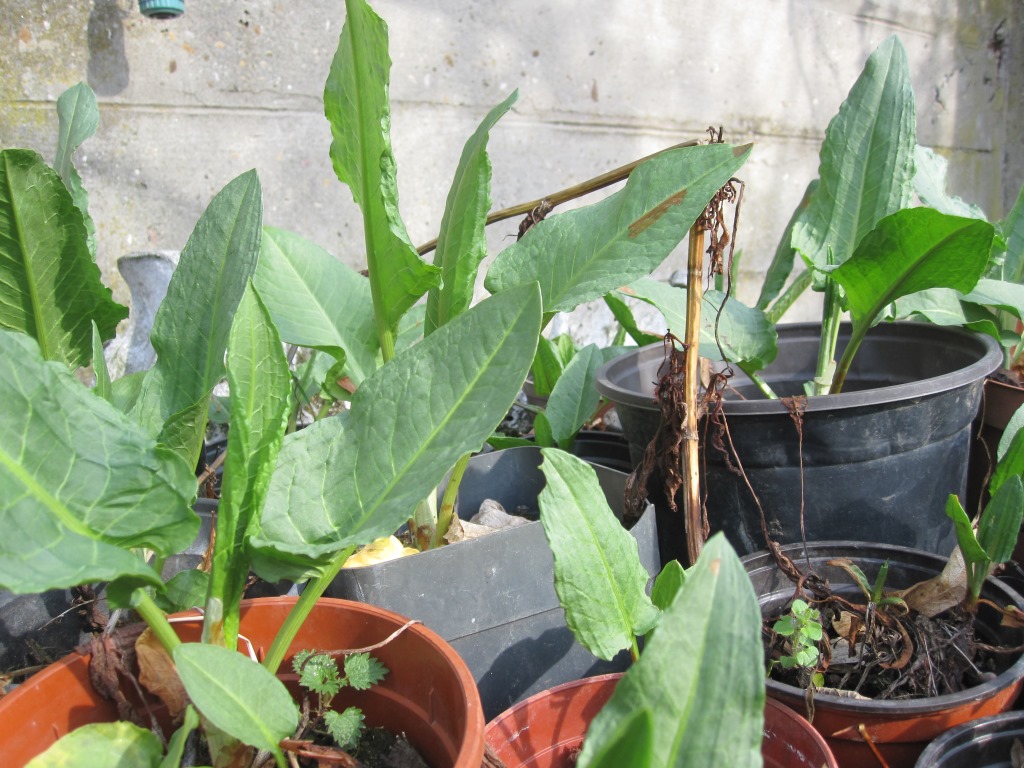
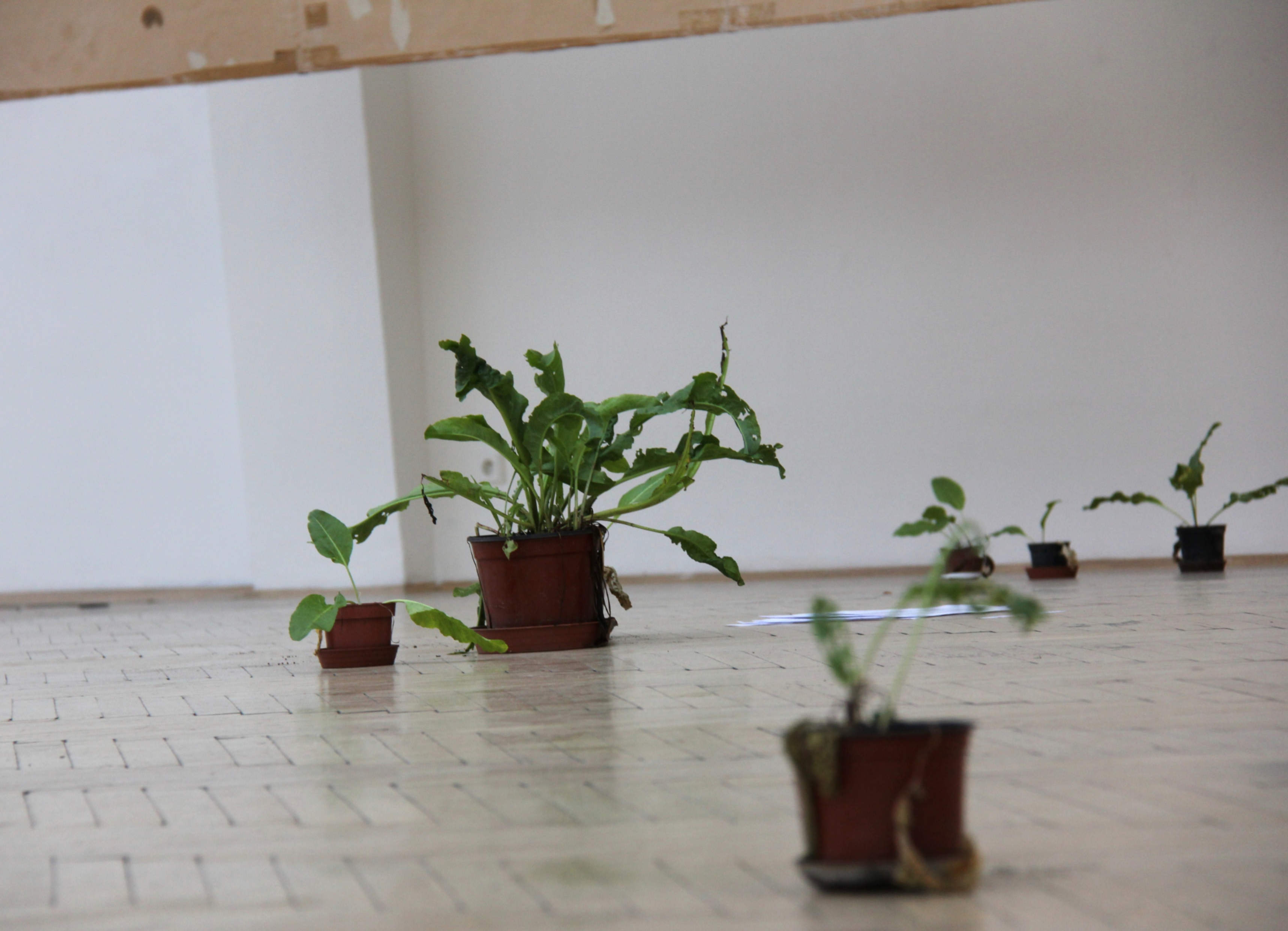
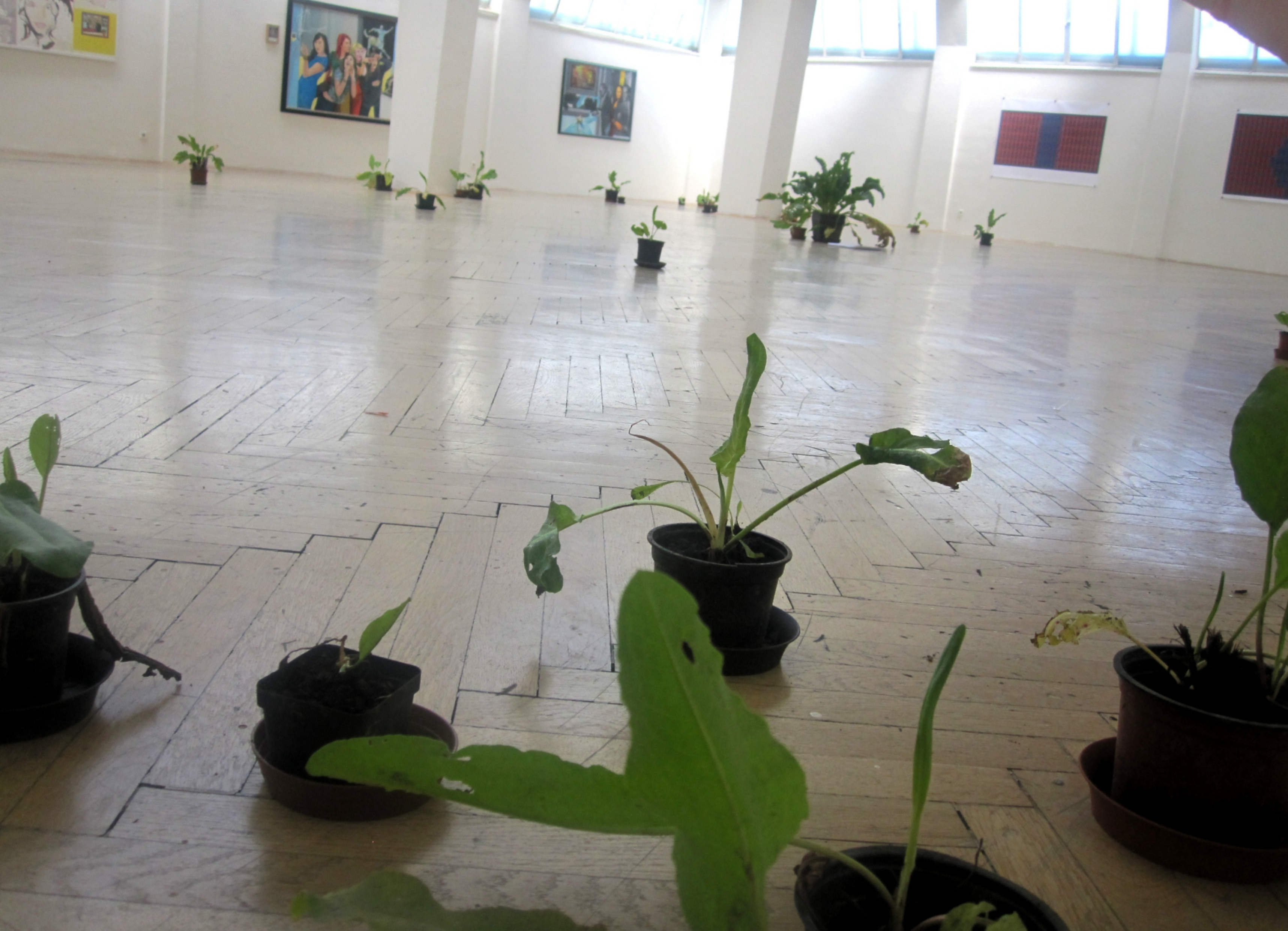
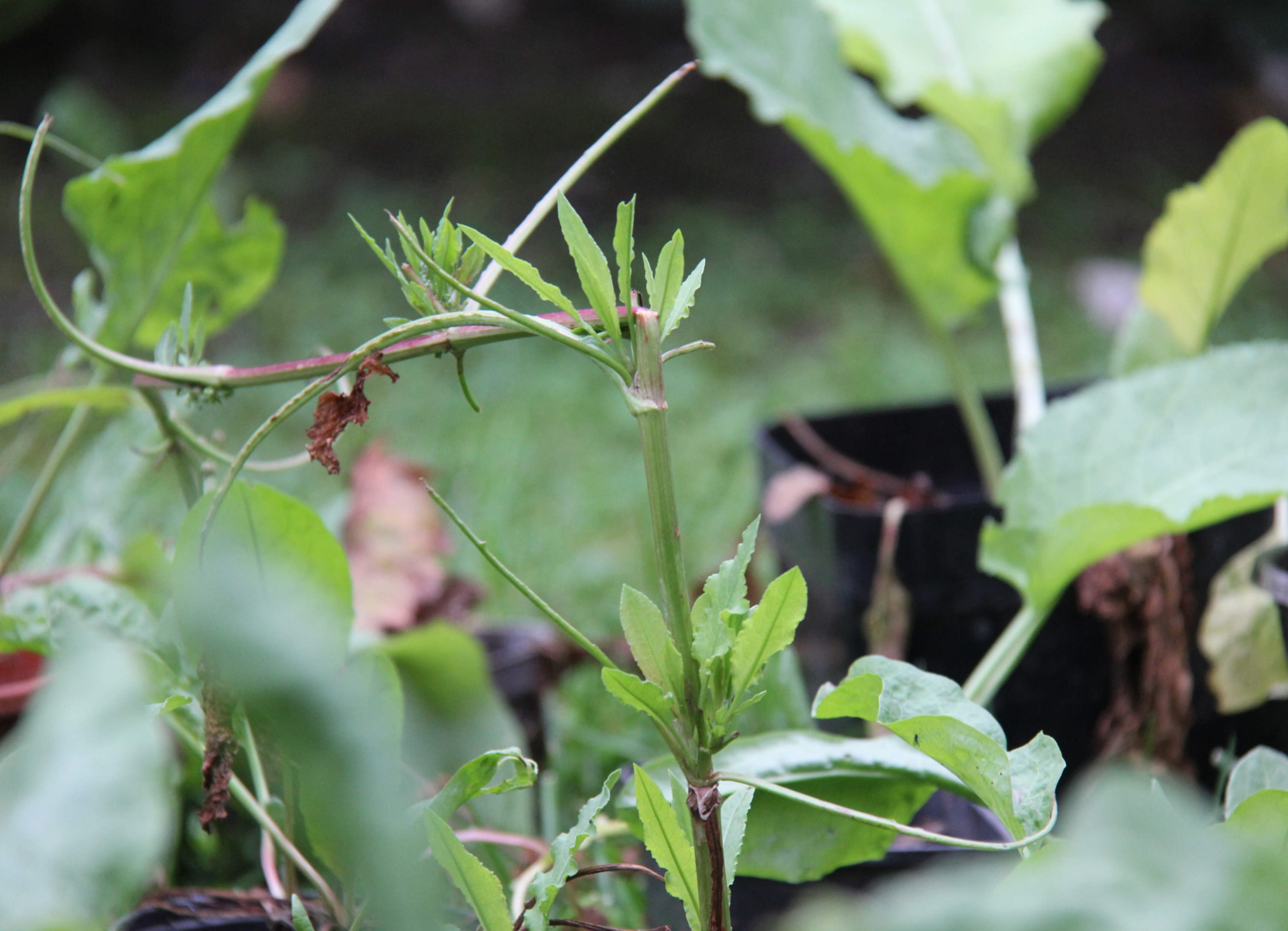
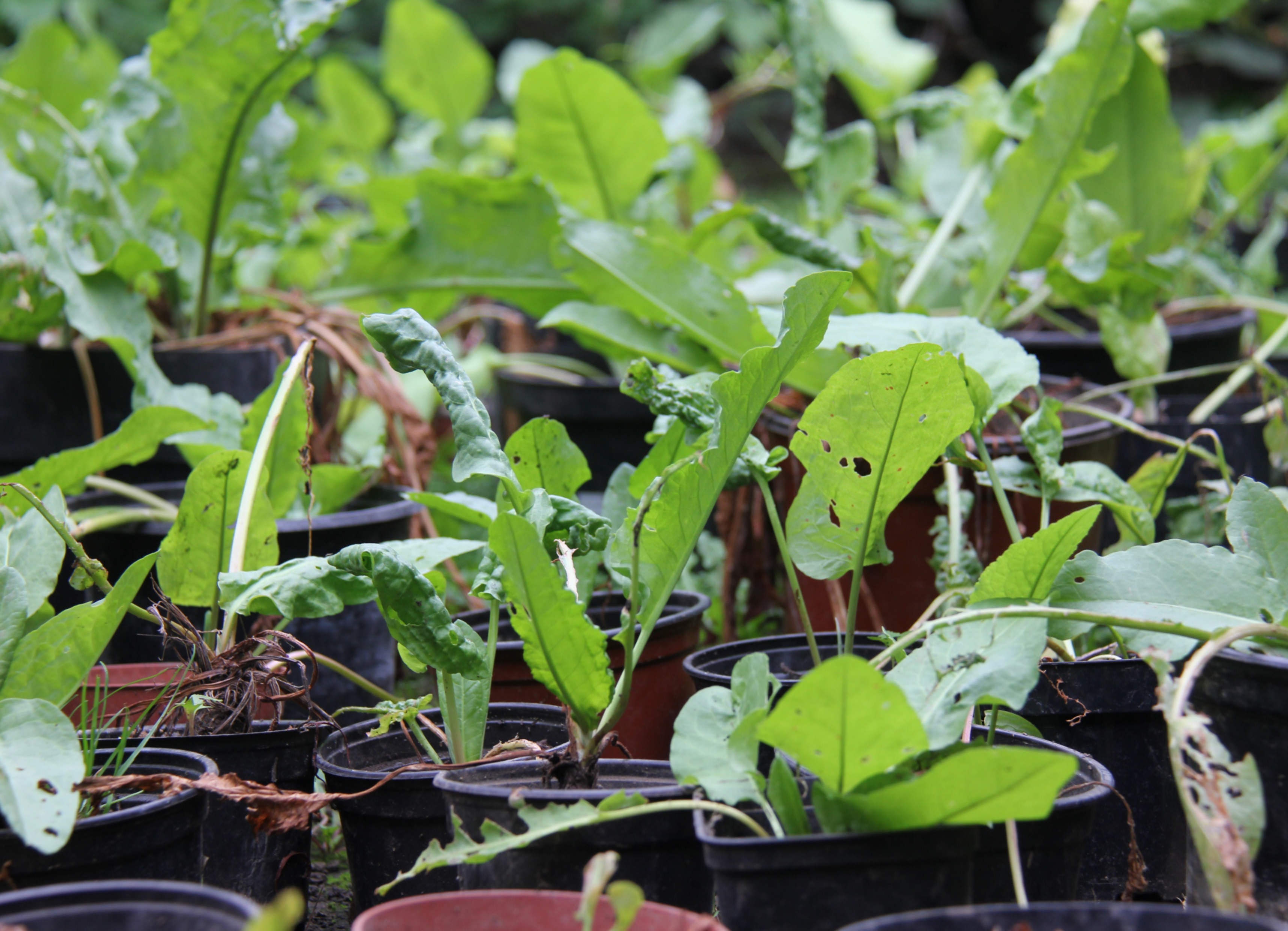
V inštalácii sa objavuje invazívna rastlina Rumex patientia, zámerne prenesená z prostredia, v ktorom voľne rastie. Rastlina, ktorá sa v exteriéri šíri spontánne a mimo jasne určenej kontroly, je premiestnená do nádob určených na pestovanie, reprodukciu a regulovaný rast. Rastlina vstupuje do diela ako živý, meniaci sa prvok, ktorý nesie vlastnú časovosť, zraniteľnosť aj schopnosť presahovať ľudskú kontrolu.
Spomenutý presun sa odohráva viackrát: z okrajového priestoru do záhrady a zo záhrady do galérie. Galéria nie je iba neutrálnou výstavnou kulisou, ale tiež miestom prehodnotenia, t.j. umožňuje vidieť rastlinu ako nositeľku významov, ako obraz spoločenských mechanizmov a ako metaforu toho, čo sa šíri, presadzuje a udomácňuje.
Invazívnosť Rumexu neodkazuje iba na jeho botanickú charakteristiku. Stáva sa širšou metaforou kultúrnych stereotypov, ktoré sa podobne ako invazívne druhy dokážu nenápadne rozšíriť, vytlačiť iné možnosti a stať sa samozrejmou súčasťou prostredia. Predsudky, očakávania, obavy či naučené modely správania často nevznikajú náhle. Rastú postupne, sú opakovane potvrdzované a udržiavané. Vypestované nepracuje s invazívnosťou ako s jednoznačne negatívnou kategóriou, ale skôr ako s otázkou: čo označujeme za neželané, čo považujeme za prirodzené a kto určuje hranicu medzi pestovaným, kultivovaným a prerastajúcim?
Inštalácia zároveň tematizuje vzťah medzi starostlivosťou a kontrolou. Pestovanie môže znamenať starostlivé vytváranie podmienok pre rast, no môže byť aj formou usmerňovania, disciplíny a obmedzenia. Kvetináč je v tomto zmysle ambivalentným objektom. Chráni rastlinu, umožňuje jej prežitie a prenos, no zároveň vymedzuje jej priestor. Podobne aj spoločenské a kultúrne modely správania môžu pôsobiť ako schémy, ktoré jednotlivca formujú, udržiavajú a usmerňujú, ale zároveň ho môžu obmedzovať v raste mimo predpísaných rámcov.
Plastové kvetináče, rastlinné telá, ich rôznorodosť, dočasnosť a premiestniteľnosť vytvárajú vizuálny jazyk, ktorý je jednoduchý, no významovo vrstvený. Vypestované neponúka jednoznačný výklad, ale vytvára situáciu, v ktorej sa divák môže pýtať, aké rasty podporujeme, aké potláčame a ktoré z nich už dávno prestali byť viditeľné práve preto, že sme si na ne zvykli.
V tomto zmysle je Vypestované inštaláciou o raste, kultivácii, ktorá môže byť tvorivá aj problematická. O stereotypoch, ktoré nepôsobia ako cudzorodé prvky, ale ako niečo dôverne známe, domáce a zakorenené.
Názov možno čítať v dvoch vzájomne prepojených významových rámcoch. V prvom zmysle označuje niečo, čo bolo vypestované ako organická entita. Ako niečo, čo vyrástlo, zmenilo svoj objem, tvar a kvalitu. V druhom zmysle odkazuje na postupne nadobudnuté a upevnené návyky, zlozvyky, predsudky, strachy, očakávania či modely správania, ktoré sa v jednotlivcovi aj v spoločnosti formujú dlhodobým opakovaním.
Dielo vychádza z napätia medzi prirodzeným rastom a kultúrnym podmieňovaním. To, čo rastie, nereprezentuje iba biologický jav, ale je obrazom procesu, v ktorom sa určité vzorce myslenia a konania zakoreňujú, rozrastajú a stávajú sa súčasťou každodennosti. „Vypestované“ tak nie je chápané ako neutrálna kategória. Nesie v sebe otázku pôvodu, starostlivosti, kontroly aj zodpovednosti. Názov evokuje otázky: čo v sebe pestujeme, čo preberáme, čo nechávame dlhodobo rásť a čo sa v nás rozmnožuje bez toho, aby sme si to plne uvedomovali?
V inštalácii sa objavuje invazívna rastlina Rumex patientia, zámerne prenesená z prostredia, v ktorom voľne rastie. Rastlina, ktorá sa v exteriéri šíri spontánne a mimo jasne určenej kontroly, je premiestnená do nádob určených na pestovanie, reprodukciu a regulovaný rast. Rastlina vstupuje do diela ako živý, meniaci sa prvok, ktorý nesie vlastnú časovosť, zraniteľnosť aj schopnosť presahovať ľudskú kontrolu.
Spomenutý presun sa odohráva viackrát: z okrajového priestoru do záhrady a zo záhrady do galérie. Galéria nie je iba neutrálnou výstavnou kulisou, ale tiež miestom prehodnotenia, t.j. umožňuje vidieť rastlinu ako nositeľku významov, ako obraz spoločenských mechanizmov a ako metaforu toho, čo sa šíri, presadzuje a udomácňuje.
Invazívnosť Rumexu neodkazuje iba na jeho botanickú charakteristiku. Stáva sa širšou metaforou kultúrnych stereotypov, ktoré sa podobne ako invazívne druhy dokážu nenápadne rozšíriť, vytlačiť iné možnosti a stať sa samozrejmou súčasťou prostredia. Predsudky, očakávania, obavy či naučené modely správania často nevznikajú náhle. Rastú postupne, sú opakovane potvrdzované a udržiavané. Vypestované nepracuje s invazívnosťou ako s jednoznačne negatívnou kategóriou, ale skôr ako s otázkou: čo označujeme za neželané, čo považujeme za prirodzené a kto určuje hranicu medzi pestovaným, kultivovaným a prerastajúcim?
Inštalácia zároveň tematizuje vzťah medzi starostlivosťou a kontrolou. Pestovanie môže znamenať starostlivé vytváranie podmienok pre rast, no môže byť aj formou usmerňovania, disciplíny a obmedzenia. Kvetináč je v tomto zmysle ambivalentným objektom. Chráni rastlinu, umožňuje jej prežitie a prenos, no zároveň vymedzuje jej priestor. Podobne aj spoločenské a kultúrne modely správania môžu pôsobiť ako schémy, ktoré jednotlivca formujú, udržiavajú a usmerňujú, ale zároveň ho môžu obmedzovať v raste mimo predpísaných rámcov.
Plastové kvetináče, rastlinné telá, ich rôznorodosť, dočasnosť a premiestniteľnosť vytvárajú vizuálny jazyk, ktorý je jednoduchý, no významovo vrstvený. Vypestované neponúka jednoznačný výklad, ale vytvára situáciu, v ktorej sa divák môže pýtať, aké rasty podporujeme, aké potláčame a ktoré z nich už dávno prestali byť viditeľné práve preto, že sme si na ne zvykli.
V tomto zmysle je Vypestované inštaláciou o raste, kultivácii, ktorá môže byť tvorivá aj problematická. O stereotypoch, ktoré nepôsobia ako cudzorodé prvky, ale ako niečo dôverne známe, domáce a zakorenené.
In the installation Cultivated, the metaphor of cultivation refers to a process that does not take place solely within the territory of nature, but also within the social, cultural, and personal sphere.
The title can be read within two interconnected semantic frameworks. In the first sense, it denotes something that has been cultivated as an organic entity — something that has grown, changed its volume, shape, and quality. In the second sense, it refers to gradually acquired and reinforced habits, bad habits, prejudices, fears, expectations, or behavioural patterns that are formed in both the individual and society through long-term repetition.
The work emerges from the tension between natural growth and cultural conditioning. What grows does not represent only a biological phenomenon, but becomes an image of a process in which certain patterns of thinking and acting take root, expand, and become part of everyday life. Cultivated is therefore not understood as a neutral category. It carries within it questions of origin, care, control, and responsibility. The title evokes questions: what do we cultivate within ourselves, what do we adopt, what do we allow to grow over time, and what multiplies within us without our full awareness?
The installation includes the invasive plant Rumex patientia, deliberately transferred from an environment in which it grows freely. A plant that spreads spontaneously outdoors and beyond clearly defined control is moved into containers intended for cultivation, reproduction, and regulated growth. The plant enters the work as a living, changing element that carries its own temporality, vulnerability, and capacity to exceed human control.
This transfer takes place repeatedly: from a marginal space into a garden, and from the garden into the gallery. The gallery is not merely a neutral exhibition setting, but also a site of re-evaluation. It allows the plant to be seen as a bearer of meanings, as an image of social mechanisms, and as a metaphor for that which spreads, establishes itself, and becomes domesticated.
The invasiveness of Rumex does not refer only to its botanical characteristics. It becomes a broader metaphor for cultural stereotypes which, like invasive species, can spread almost imperceptibly, displace other possibilities, and become a self-evident part of the environment. Prejudices, expectations, fears, or learned behavioural patterns often do not appear suddenly. They grow gradually, are repeatedly confirmed, and are maintained over time. Cultivated does not work with invasiveness as an unequivocally negative category, but rather as a question: what do we label as undesirable, what do we consider natural, and who determines the boundary between the cultivated, the cultured, and the overgrown?
At the same time, the installation addresses the relationship between care and control. Cultivation can mean carefully creating conditions for growth, but it can also become a form of guidance, discipline, and restriction. In this sense, the flowerpot is an ambivalent object. It protects the plant, enables its survival and transfer, yet at the same time defines its space. Similarly, social and cultural behavioural models may function as schemes that shape, sustain, and guide the individual, while also limiting their growth beyond prescribed frameworks.
The plastic flowerpots, plant bodies, their diversity, temporality, and mobility create a visual language that is simple, yet layered in meaning. Cultivated does not offer a single interpretation, but creates a situation in which the viewer may ask what kinds of growth we support, which ones we suppress, and which of them have long ceased to be visible precisely because we have become accustomed to them.
In this sense, Cultivated is an installation about growth and cultivation, which can be both creative and problematic. It is about stereotypes that do not appear as foreign elements, but as something familiar, domestic, and deeply rooted.
The title can be read within two interconnected semantic frameworks. In the first sense, it denotes something that has been cultivated as an organic entity — something that has grown, changed its volume, shape, and quality. In the second sense, it refers to gradually acquired and reinforced habits, bad habits, prejudices, fears, expectations, or behavioural patterns that are formed in both the individual and society through long-term repetition.
The work emerges from the tension between natural growth and cultural conditioning. What grows does not represent only a biological phenomenon, but becomes an image of a process in which certain patterns of thinking and acting take root, expand, and become part of everyday life. Cultivated is therefore not understood as a neutral category. It carries within it questions of origin, care, control, and responsibility. The title evokes questions: what do we cultivate within ourselves, what do we adopt, what do we allow to grow over time, and what multiplies within us without our full awareness?
The installation includes the invasive plant Rumex patientia, deliberately transferred from an environment in which it grows freely. A plant that spreads spontaneously outdoors and beyond clearly defined control is moved into containers intended for cultivation, reproduction, and regulated growth. The plant enters the work as a living, changing element that carries its own temporality, vulnerability, and capacity to exceed human control.
This transfer takes place repeatedly: from a marginal space into a garden, and from the garden into the gallery. The gallery is not merely a neutral exhibition setting, but also a site of re-evaluation. It allows the plant to be seen as a bearer of meanings, as an image of social mechanisms, and as a metaphor for that which spreads, establishes itself, and becomes domesticated.
The invasiveness of Rumex does not refer only to its botanical characteristics. It becomes a broader metaphor for cultural stereotypes which, like invasive species, can spread almost imperceptibly, displace other possibilities, and become a self-evident part of the environment. Prejudices, expectations, fears, or learned behavioural patterns often do not appear suddenly. They grow gradually, are repeatedly confirmed, and are maintained over time. Cultivated does not work with invasiveness as an unequivocally negative category, but rather as a question: what do we label as undesirable, what do we consider natural, and who determines the boundary between the cultivated, the cultured, and the overgrown?
At the same time, the installation addresses the relationship between care and control. Cultivation can mean carefully creating conditions for growth, but it can also become a form of guidance, discipline, and restriction. In this sense, the flowerpot is an ambivalent object. It protects the plant, enables its survival and transfer, yet at the same time defines its space. Similarly, social and cultural behavioural models may function as schemes that shape, sustain, and guide the individual, while also limiting their growth beyond prescribed frameworks.
The plastic flowerpots, plant bodies, their diversity, temporality, and mobility create a visual language that is simple, yet layered in meaning. Cultivated does not offer a single interpretation, but creates a situation in which the viewer may ask what kinds of growth we support, which ones we suppress, and which of them have long ceased to be visible precisely because we have become accustomed to them.
In this sense, Cultivated is an installation about growth and cultivation, which can be both creative and problematic. It is about stereotypes that do not appear as foreign elements, but as something familiar, domestic, and deeply rooted.


ADD
SHARE
LEARN
2015, Sklenofka. Dočasný umelecký priestor, Trnava
2015, Sklenofka. Temporary art space, Trnava

katalóg︎︎︎
ADD-SHARE-LEARN bol formulovaný ako procesuálny umelecko-edukačný projekt, ktorý mal ambíciu isť nad rámec tradičnej akademickej výučby. Projekt bol realizovaný v centre Trnavy v priestoroch bývalého Tatraskla (Trhová 2, Trnava) od septembra do decembra 2015. Štuktúra eventov, worshopov a prednášok mala svoje východiská v Deluze-Guattariho teórii rhizomatického myslenia a v Ranciérovej štúdii Emancipovaný divák.
Trvanie projektu bolo len krátkym intervalom v súbore nekonečných línií, sietí a vektorov, ktoré vyjadrujú neukončenosť a rozvetvenosť procesu učenia, zdieľania a zhromažďovania vedomostí, skúseností, zručností.
Projekt ADD-SHARE-LEARN bol súčasťou medzinárodného sympózia Conjunctions of Curating and Art Education organizovaným Máriou Oriškovou, Barbarou Balážovou a Zuzanou Branišovou z Katedry pedagogiky výtvarného umenia Pedagogickej fakulty Trnavskej univerzity v Trnave.
Viac info na webstránke projektu: www.add-share-learn.sk
Trvanie projektu bolo len krátkym intervalom v súbore nekonečných línií, sietí a vektorov, ktoré vyjadrujú neukončenosť a rozvetvenosť procesu učenia, zdieľania a zhromažďovania vedomostí, skúseností, zručností.
Projekt ADD-SHARE-LEARN bol súčasťou medzinárodného sympózia Conjunctions of Curating and Art Education organizovaným Máriou Oriškovou, Barbarou Balážovou a Zuzanou Branišovou z Katedry pedagogiky výtvarného umenia Pedagogickej fakulty Trnavskej univerzity v Trnave.
Viac info na webstránke projektu: www.add-share-learn.sk
ADD-SHARE-LEARN was conceived as a process-oriented artistic-educational project that aimed to go beyond the boundaries of traditional academic teaching. The project took place in the center of Trnava, in the premises of the former Tatrasklo factory (Trhová 2, Trnava), from September to December 2015.
The structure of events, workshops, and lectures was rooted in Deleuze and Guattari's theory of rhizomatic thinking and Rancière's study The Emancipated Spectator.
The project's duration represented only a brief interval within an endless set of lines, networks, and vectors, expressing the open-endedness and branching nature of the processes of learning, sharing, and gathering knowledge, experiences, and skills.
The ADD-SHARE-LEARN project was part of the international symposium Conjunctions of Curating and Art Education, organized by Mária Orišková, Barbara Balážová, and Zuzana Branišová from the Department of Art Education at the Faculty of Education, Trnava University in Trnava.
More information on the project website: www.add-share-learn.sk
The structure of events, workshops, and lectures was rooted in Deleuze and Guattari's theory of rhizomatic thinking and Rancière's study The Emancipated Spectator.
The project's duration represented only a brief interval within an endless set of lines, networks, and vectors, expressing the open-endedness and branching nature of the processes of learning, sharing, and gathering knowledge, experiences, and skills.
The ADD-SHARE-LEARN project was part of the international symposium Conjunctions of Curating and Art Education, organized by Mária Orišková, Barbara Balážová, and Zuzana Branišová from the Department of Art Education at the Faculty of Education, Trnava University in Trnava.
More information on the project website: www.add-share-learn.sk


